2026 Top Types of Power Washing Equipment to Buy?

Choosing the right power washing equipment in 2026 requires more than comparing pressure ratings and prices. The best machine depends on the surface, water access, cleaning frequency, and working environment. A compact electric washer may suit a homeowner cleaning patio furniture and a small driveway. A commercial gas unit can handle larger properties, stubborn oil marks, and longer operating periods. Higher pressure is not always better.

This guide examines the top types of power washing equipment worth buying this year. It considers electric pressure washers, gas-powered models, hot-water machines, surface cleaners, telescoping wands, and trailer-mounted systems. Each option has practical strengths and limits. For example, a hot-water washer can loosen grease quickly, while a cold-water unit usually costs less and requires simpler maintenance. Surface cleaners can leave broad concrete areas more even than a standard wand.

Real job conditions matter.

Manufacturer specifications provide useful benchmarks, but they do not tell the whole story. Hose length, nozzle control, pump quality, noise, storage space, and replacement-part availability can affect daily performance. Experienced operators often value consistent flow over impressive maximum pressure. That detail is easy to miss.

This overview uses established equipment principles and practical cleaning scenarios to support informed buying decisions. Still, no guide gets every choice right. A powerful machine can damage soft wood, painted surfaces, or aging masonry when used carelessly. Check the manufacturer’s instructions, test an unseen area, and choose controlled cleaning over unnecessary force. The right equipment should make work safer, faster, and more predictable.

2026 Top Types of Power Washing Equipment to Buy?

What Power Washing Equipment Is and How It Works

Power washing equipment uses pressurized water to remove dirt, oil, mildew, and loose paint from hard surfaces. A pump draws water through an inlet hose, then forces it through a narrow nozzle. This restriction increases the water’s speed and cleaning impact.

Pressure is measured in PSI, while water volume is measured in GPM. Both numbers matter. High pressure alone does not guarantee better cleaning.

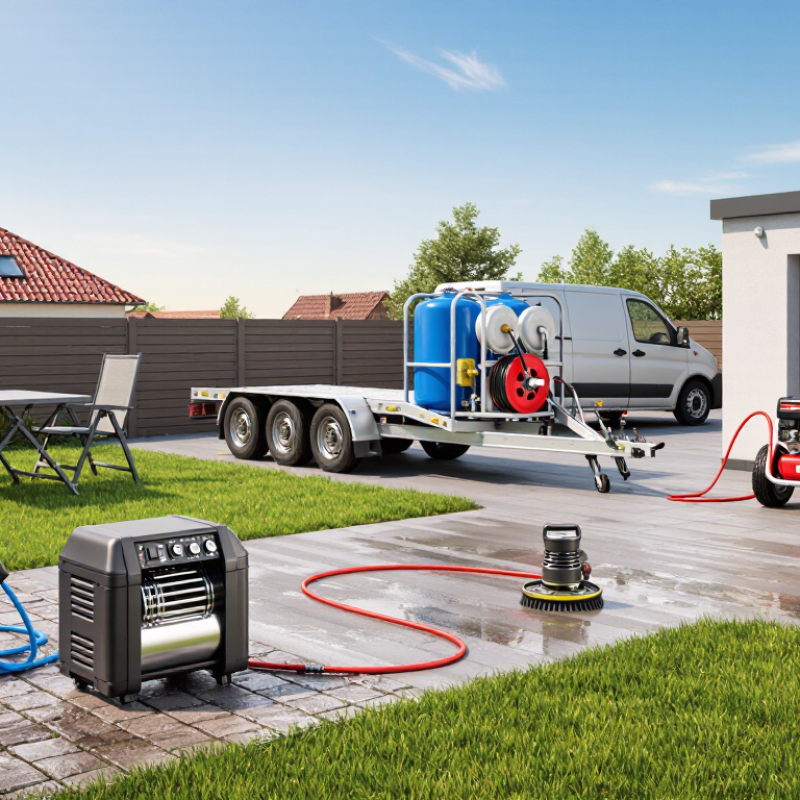
The main equipment types include electric and engine-powered washers, cold-water and hot-water systems, surface cleaners, extension wands, hoses, and adjustable nozzles.

Electric models suit patios, vehicles, and light residential work. Engine-powered units provide more flow for large driveways and commercial surfaces.

Hot water helps dissolve grease, but it requires more careful handling and maintenance.

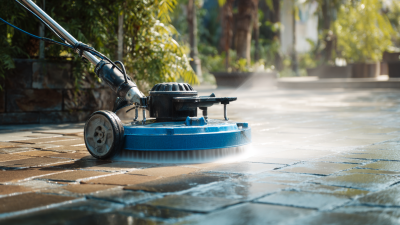
A flat surface cleaner can reduce streaks on concrete. It also makes long jobs less tiring.

In practical cleaning work, nozzle selection often matters more than maximum pressure.

A wide spray covers more area, while a narrow spray concentrates force. Keep the wand moving. Staying too close can damage wood, soft stone, or painted surfaces.

I once underestimated water flow and finished a small job with a soaked work area and poor runoff control. The equipment worked, but my planning did not.

Check connections, inspect hoses, and test an unseen surface before increasing pressure. Some choices remain imperfect. For 2026 purchases, match the pump, water supply, attachments, and intended surface instead of chasing the largest numbers.

Key Equipment Types for Residential and Commercial Cleaning

2026 Top Types of Power Washing Equipment to Buy

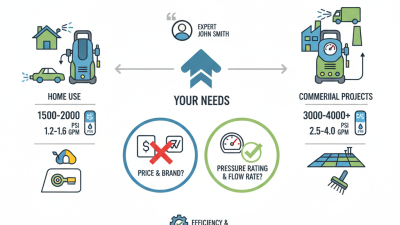
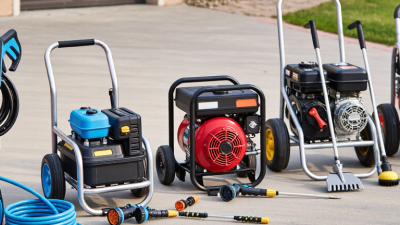
Residential and commercial cleaning demand different equipment profiles. For homes, compact electric pressure washers usually deliver 1,500–2,000 PSI and 1.2–2.0 GPM. They suit patios, vehicles, fences, and small driveways. Lower noise matters in neighborhoods. A variable-pressure wand also reduces accidental damage to paint, wood, and soft masonry.

Commercial crews need more output. Professional cold-water units often provide 3,000–4,000 PSI and 3–5 GPM. Hot-water systems work better on grease, oil, and heavily soiled concrete. Surface cleaners improve consistency on large flat areas. Telescoping wands help reach façades without excessive ladder work. Water-recovery vacuums are useful near drains and sensitive sites. Small details matter.

Grand View Research estimated the global pressure washer market at about USD 2.3 billion in 2023. Its report also projects continued growth through 2030, supported by residential maintenance and commercial sanitation. MarketsandMarkets identifies efficiency, portability, and higher cleaning performance as important market trends. However, larger specifications do not always mean better results. I have seen operators choose excessive pressure and leave etching, stripped coatings, or damaged grout. That mistake deserves more attention. Buyers should compare duty cycle, pump serviceability, hose length, noise, fuel use, and local water limits. A practical test on an unnoticed surface remains more reliable than a product sheet.

How to Compare Pressure, Flow Rate, Power Source, and Portability

2026 Top Types of Power Washing Equipment to Buy?

How to Compare Pressure, Flow Rate, Power Source, and Portability

Choosing power washing equipment starts with the surface, not the highest advertised pressure. Concrete can handle stronger cleaning, while painted wood may need gentler output. Pressure is measured in PSI, and flow rate is measured in GPM. PSI loosens dirt; GPM carries it away. Both numbers matter.

A practical comparison uses cleaning units: PSI multiplied by GPM. However, this figure does not tell the whole story. A machine with extreme pressure may damage soft surfaces or remove protective coatings. For patios, driveways, and heavy grime, higher flow usually speeds up rinsing. For vehicles, fences, and delicate siding, controlled pressure is safer. I once focused too heavily on PSI, and the result was slower, less comfortable work.

Power source changes the experience. Electric units are quieter, lighter, and suitable for shorter residential tasks. Gas-powered units often deliver greater output, but they require outdoor ventilation and more maintenance. Battery-powered equipment offers easy movement, although runtime can disappoint during large jobs. Check the charger, spare battery cost, and expected working time.

Portability deserves a close inspection. Look for balanced handles, durable wheels, accessible hose storage, and a manageable frame. A heavy machine may clean quickly but become frustrating on stairs or uneven ground. Test how easily it turns before buying. Specifications can look impressive. Your back may disagree.

Best Power Washing Equipment Choices for Different Cleaning Tasks

2026 Top Types of Power Washing Equipment to Buy?

The best power washing equipment depends on the cleaning task, not maximum pressure. For patios, bicycles, outdoor furniture, and painted siding, an electric unit delivering 1,300–2,000 PSI is usually easier to control. It also creates less noise and exhaust. Concrete driveways need stronger equipment, often 2,500–4,000 PSI, with a wide surface cleaner for even results. The U.S. Environmental Protection Agency notes that pressure washers commonly use two to five gallons of water per minute. A lower-flow model can reduce waste during longer jobs.

Hot-water power washers suit grease, oil, food residue, and workshop floors. Heat loosens contamination faster than pressure alone.

Cold-water units remain practical for mud, dust, and general outdoor maintenance. Industry research from Grand View Research valued the global pressure washer market at about USD 2.5 billion in 2023, reflecting continued demand across residential and commercial cleaning. However, market growth does not mean every high-powered machine is a smart purchase.

Tips: Match the nozzle angle to the surface. Use a 25-degree nozzle for general cleaning and a wider spray near paint or soft wood. Keep the wand moving. Test a hidden area first. A surface cleaner can prevent striped concrete, though beginners may move it too quickly. That small mistake matters. Check flow rate, hose quality, service access, and water supply before comparing PSI figures. Some specifications look impressive but perform poorly under limited household water pressure.

Essential Accessories, Safety Features, and Buying Considerations

For 2026, buying power washing equipment requires more than comparing PSI ratings. A 2024 Grand View Research analysis valued the global pressure washer market at roughly US$2 billion in 2023, reflecting broader demand for efficient cleaning equipment. High PSI can damage wood, mortar, and painted surfaces. Compare PSI with gallons per minute, duty cycle, hose length, and the machine’s intended workload.

Accessories influence control and safety. Choose a pressure-rated hose, quick-connect fittings, an adjustable wand, and a surface cleaner for flat areas. A detergent injector can reduce chemical waste when used correctly.
Useful safety features include a trigger lock, thermal relief valve, automatic shutoff, and a ground-fault circuit interrupter for electric units. OSHA guidance emphasizes GFCI protection around wet electrical equipment. Keep goggles, hearing protection, gloves, and slip-resistant footwear nearby.

One common mistake is buying the strongest machine available. More power is not always better. In field inspections, damaged hoses and loose fittings appear more often than buyers expect. Check every connection before starting, and never point the nozzle at people, animals, or skin. Read the actual manual, not only the product listing. I would also question unclear repair policies, short warranties, and proprietary fittings. A lower purchase price may become expensive when basic accessories require replacement.