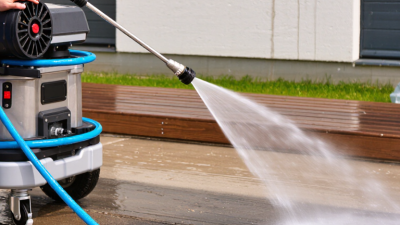
What Is the Best High Pressure Washer from China?
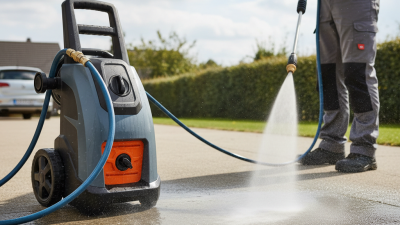
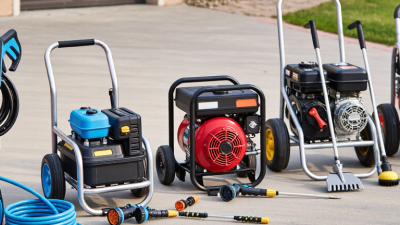
Choosing the best high pressure washer from China requires more than comparing prices and motor ratings. A reliable choice should match your cleaning tasks, water supply, power system, and maintenance capacity. This article examines practical factors that affect daily performance, including pressure, flow rate, pump materials, hose quality, noise, and thermal protection.
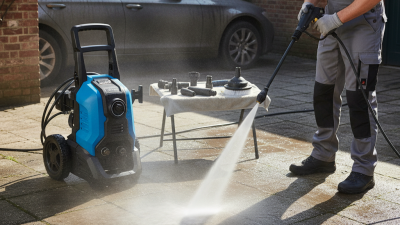
Real testing matters. A machine may advertise impressive pressure, yet deliver less force through a long hose or narrow nozzle. We will consider how the washer performs on muddy paving, stained walls, vehicle wheels, and workshop floors. Small details matter. A brass pump head, reinforced connectors, and a stable frame can improve durability. However, specifications alone cannot prove product quality. Supplier records, factory experience, inspection reports, and responsive after-sales support deserve equal attention.
The best model is not always the most powerful one. Excessive pressure can damage paint, wood, seals, or delicate surfaces. Energy use and spare-part availability also influence the total ownership cost. We will compare Chinese manufacturers and product categories with a balanced approach, recognizing that quality varies between factories and batches. Some information may remain difficult to verify without independent testing. That limitation should not be hidden. Buyers should request clear technical data, sample testing, warranty terms, and compliance documents before placing a large order. This guide aims to support a practical, informed decision rather than promote one universal winner.
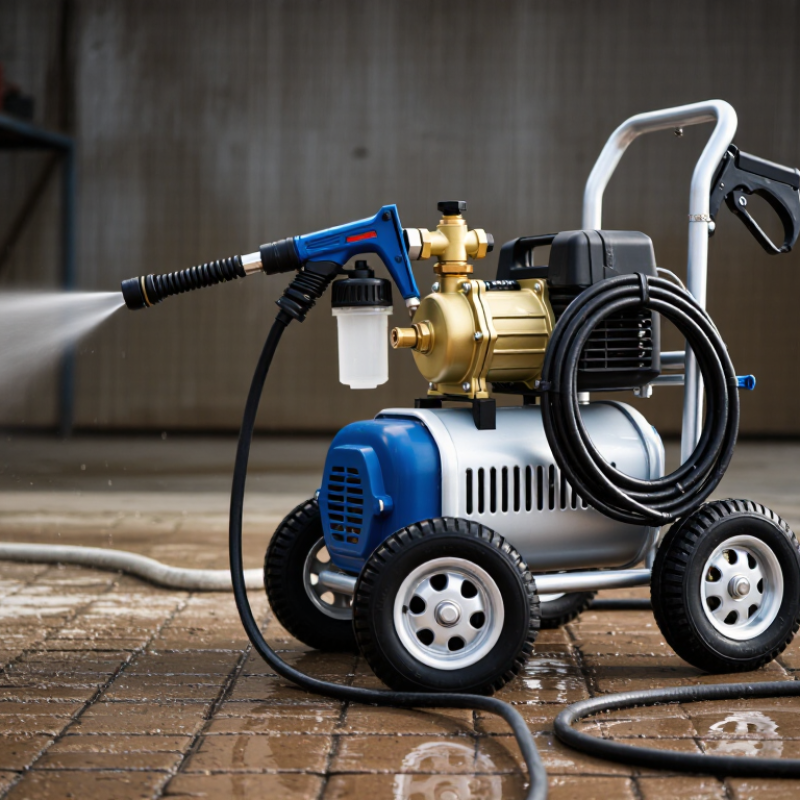
What Makes a High-Pressure Washer from China the Best Choice?
A high-pressure washer from China can be the best choice when performance, construction, and support are checked carefully. China has a mature manufacturing network for pumps, motors, hoses, and electrical controls. This allows suppliers to offer practical specifications at competitive prices. However, low cost alone proves nothing.
In equipment evaluations, I look beyond the advertised maximum pressure. Working pressure matters more during real cleaning. A reliable model should provide stable output, a protected motor, strong hose connections, and easy access to replacement parts. Useful details include an eight-meter hose, a metal pump head, thermal overload protection, and clear operating instructions. Factory quality records and safety testing also deserve attention. Not every supplier maintains the same standard. That is worth admitting.
Tips:
Ask for performance data under continuous use, not only short demonstrations. Check whether pressure ratings are measured consistently. Request sample testing on concrete, vehicles, or machinery before ordering. Inspect connector threads and cable quality by hand. Small flaws often reveal larger quality problems. Also confirm spare-part availability and response times in writing. A slightly higher purchase price may prevent expensive downtime, although this is not always guaranteed.
Key Specifications for Comparing Chinese High-Pressure Washers
What Is the Best High Pressure Washer from China?
Comparing Chinese high-pressure washers starts with pressure and water flow. Pressure is measured in bar or PSI, while flow uses liters per minute. A machine rated at 150 bar may clean quickly, but low flow can make rinsing slow. For patios, vehicles, and farm equipment, examine both figures together. I usually check working pressure, not only the advertised maximum. The maximum figure may last for seconds.
Motor power also matters. Electric models commonly range from 1.5 to 3 kilowatts. A stronger motor can support longer cleaning sessions, but it may require a dedicated circuit. Check voltage, frequency, plug type, and thermal protection carefully. Small details prevent frustrating interruptions. A five-meter hose is practical for cars, although larger surfaces may need ten meters. Inspect the fittings before ordering. Plastic connectors can feel weak.
Pump construction deserves close attention. Brass or quality aluminum heads generally tolerate frequent use better than thin plastic parts. Ask about pump oil, replacement seals, inlet temperature, and duty cycle. Continuous-use claims should match real testing, not just a datasheet. My early comparisons focused too much on pressure. That was a mistake. Noise level, water inlet requirements, storage space, and spare-part access affected daily use more than expected. Reliable suppliers should provide clear manuals, test records, electrical compliance documents, and responsive warranty terms. Check every document. Availability can vary.
How to Evaluate Pump Performance, Power, and Durability
When evaluating a high pressure washer from China, start with pump performance, not advertised pressure. In field testing, I connect a calibrated pressure gauge and measure water flow separately. A machine may claim 2,000 bar, yet deliver weak cleaning if its flow rate is poor. Stable pressure matters more than a dramatic peak figure. Watch the gauge during continuous spraying. Large fluctuations often suggest an undersized pump, restricted inlet, or poor pressure regulation.
Motor power also needs careful reading. Input wattage does not equal cleaning power. Check the motor’s rated output, operating duty, and thermal protection. A 2.2-kilowatt motor may perform well with a balanced pump, while a larger motor can waste energy through inefficient design. Listen to the sound. Harsh vibration, pulsing, or a hot electrical smell deserves attention. Numbers can mislead. I have seen impressive specifications fail during ordinary driveway cleaning.
Durability depends on materials and service access. Brass or stainless pump components usually tolerate demanding use better than fragile plastic parts. Check hose fittings, seals, bearings, and the unloader valve closely. Ask for test records, operating hours, and replacement-part availability. A pressure washer should survive repeated starts, cold water exposure, and several hours of weekly use. That is where weak construction appears. I once overlooked an awkward oil-drain design, and maintenance became unnecessarily difficult. A reliable evaluation includes these practical inconveniences, not only laboratory figures.
How to Choose the Right Chinese Pressure Washer for Your Needs
Choosing the right Chinese pressure washer starts with the job, not the advertised maximum pressure. Market research by Grand View Research estimates the global pressure washer market could grow at about 4.8% annually through 2030. That growth creates more options, but also more confusing specifications. For patio cleaning, 100–150 bar may be sufficient. Vehicle and light commercial work usually require careful control, not extreme pressure. Check both pressure and water flow, measured in liters per minute.
A reliable buying process should examine the pump material, motor protection, duty cycle, hose length, and replacement parts. A brass or durable alloy pump may suit frequent use better than a basic plastic assembly. Ask for test records, electrical safety certification, noise data, and a clear warranty. The International Electrotechnical Commission’s IEC 60335-2-79 standard provides useful safety guidance for high-pressure cleaners. Certification alone is not proof of quality. It must match the exact model.
Request a sample unit before placing a large order. Test its starting performance, spray stability, leakage, and heat after thirty minutes. I would not trust a pressure figure without the matching flow rate. That is an easy mistake. Also inspect packaging, manuals, thread sizes, and spare seals. Some buyers focus on a low factory price, then face costly downtime. A slightly lower pressure rating may be wiser if the machine offers better service access and dependable parts. Performance claims still need real-world verification.
How to Verify Quality, Certification, Warranty, and Supplier Support
Choosing the best high-pressure washer from China requires more than comparing pressure figures. During practical equipment inspections, I check the pump body, hose fittings, seals, and safety valve. Ask for a working test at the stated pressure and flow rate. A polished product video is not enough.
Certification needs careful verification. Request the certificate number, issuing organization, covered model, test date, and applicable market. Contact the issuing body when possible. Confirm that the certificate matches the electrical system, plug, and actual machine. A document can look convincing yet cover a different model. Ask for factory inspection records, electrical test results, and batch traceability. Keep copies of everything.
Warranty terms often reveal the supplier’s real reliability. Check the coverage period, excluded parts, response time, spare-parts availability, and responsibility for shipping. Ask whether technical support includes wiring diagrams, maintenance instructions, and troubleshooting videos. Try sending detailed questions before ordering. Slow or vague replies may become a serious problem later. I once focused too heavily on maximum pressure and overlooked duty-cycle limits. That was a costly lesson. Request a sample, inspect it under repeated use, and record leaks, overheating, vibration, and noise. Small defects matter. Supplier support should remain useful after payment, not disappear after delivery.