China Top Soft Washing Equipment Manufacturers?
China Top Soft Washing Equipment Manufacturers? This question deserves more than a polished supplier list. In real exterior cleaning work, equipment must perform beside painted walls, delicate roof tiles, narrow alleys, and changing water pressure. A reliable soft washing equipment manufacturer should offer practical systems, not merely attractive product photographs.
The evaluation in this guide considers pump quality, chemical resistance, flow stability, tank design, hose connections, replacement parts, and technical support. It also examines whether manufacturers provide clear specifications, testing information, operating guidance, and documented customer experience. Small details matter. A poorly sealed fitting can leak during transport. An inaccurate proportioning system can damage surfaces or waste detergent.
AC Lockyer, founder of SoftWash Systems and a recognized soft-washing educator, has said, “The goal is to clean, not to destroy.” That principle remains important when comparing Chinese manufacturers. Strong equipment should support controlled application, consistent coverage, and responsible surface care. It should not encourage excessive pressure or careless chemical use.
Some manufacturers may excel at pumps but provide limited after-sales service. Others may offer customization but lack transparent documentation. No shortlist is perfect. Buyers should verify certifications, material compatibility, warranty terms, and production capacity before placing an order. Factory videos are useful, but hands-on testing tells a more honest story.
This overview highlights manufacturers that appear relevant for distributors, contractors, and private-label buyers. The final choice still depends on local water conditions, operating scale, service expectations, and the surfaces being cleaned. Practical evidence matters more than impressive promises.
What Is Soft Washing Equipment and How Does It Work?
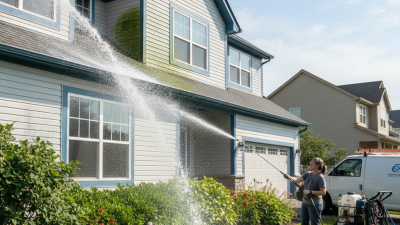
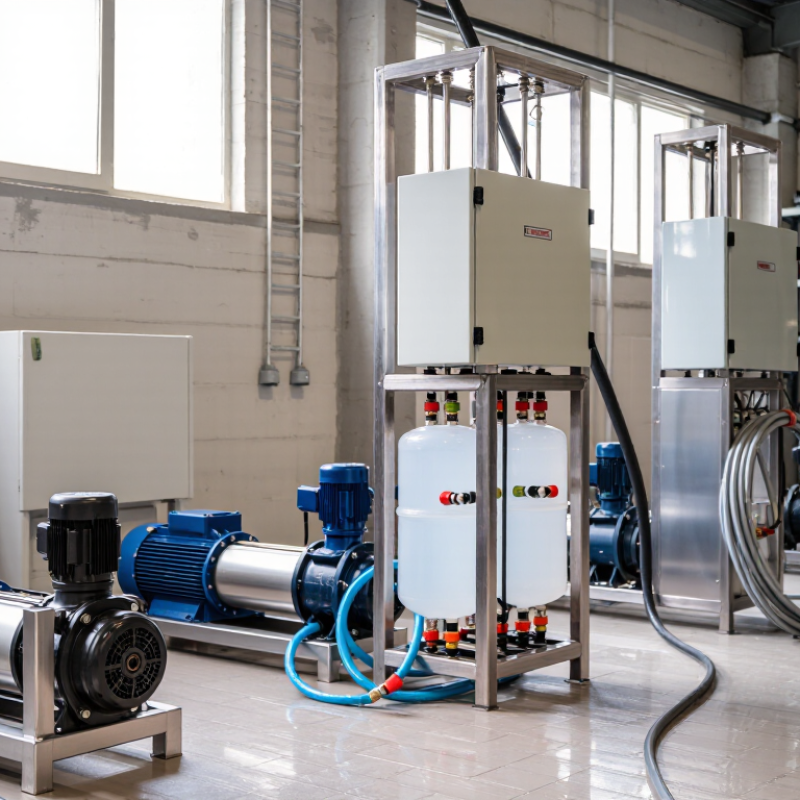
Soft washing equipment cleans exterior surfaces with low water pressure and a controlled chemical solution. Unlike high-pressure washing, it relies on dwell time to loosen algae, mildew, dirt, and organic stains. A typical system includes a diaphragm pump, chemical tank, proportioner, hose, and low-pressure spray wand. The pump delivers solution gently, often below 500 PSI, which helps protect siding, roof granules, painted wood, and delicate seals.
The process is precise. Operators wet nearby plants, apply a diluted detergent, allow several minutes of contact time, then rinse with clean water. Field experience shows that nozzle choice and dilution accuracy matter more than raw pump power. Too much chemical can damage vegetation. Too little may leave dark streaks behind. That part is easy to underestimate.
Grand View Research reported continued growth in the global pressure washer market through 2030, supported by residential and commercial cleaning demand. The report also highlights efficiency and specialized equipment as important buying factors. Water efficiency deserves attention. The U.S. Environmental Protection Agency notes that outdoor water use can represent a significant share of household consumption, especially in dry regions. Therefore, reliable manufacturers should provide stable flow control, chemical-resistant components, clear service guidance, and replacement parts. Some systems look impressive on paper. Real performance can still disappoint without training, maintenance, and careful surface testing.
China Top Soft Washing Equipment Manufacturers? What Is Soft Washing Equipment and How Does It Work?
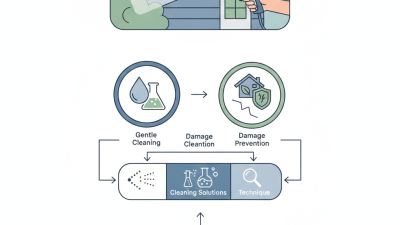
Soft washing uses cleaning solutions and controlled low pressure to remove algae, mold, dirt, and other organic growth without relying on high-impact water pressure. The chart shows common operating-pressure ranges used for typical soft washing tasks.
These practical pressure ranges are general industry guidelines. The correct setting depends on the surface material, nozzle, distance, pump, and cleaning solution.
Which Types of Soft Washing Equipment Are Made in China?
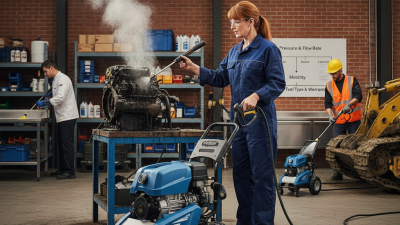
China’s soft washing equipment output covers more than basic sprayers. Common products include low-pressure diaphragm pumps, chemical proportioning systems, water tanks, hose reels, spray guns, fan nozzles, and telescopic poles. Many factories also assemble skid units for vans or small trailers. These systems typically use adjustable pressure rather than aggressive water force, helping operators clean siding, roofs, fences, and masonry with less surface disturbance.
A 2024 Grand View Research report valued the global pressure washer market at approximately USD 2.5 billion in 2023. However, that figure includes high-pressure machines, so it should not be treated as a direct soft washing statistic. That distinction matters. Chinese manufacturers increasingly supply compact 12-volt and 24-volt pump systems, often paired with 100–300 litre tanks. Some offer dual-tank designs for separate water and cleaning solutions. Practical testing should check flow stability, chemical resistance, hose fittings, and pump noise. Small details matter.
A 2023 MarketsandMarkets report also identified automation and portable cleaning systems as important equipment trends. In response, Chinese suppliers produce battery-powered sprayers, remote-control pumps, proportioning valves, and quick-connect accessories. Yet specifications can be inconsistent. A claimed flow rate may change under chemical load or long hose runs. Buyers should request operating data, material certificates, spare-parts lists, and sample testing before ordering. The equipment may look complete, but field performance still requires verification.
What Quality Standards Should Buyers Compare?
When comparing China’s soft washing equipment manufacturers, buyers should test quality beyond catalog pressure ratings. ISO’s Survey 2022 recorded 1,265,216 ISO 9001 certificates worldwide, but certification alone does not prove durable equipment. Ask for the manufacturer’s current certificate, production scope, and recent audit evidence. The scope should cover pumps, electrical assemblies, or complete washing systems.
Performance data needs careful checking. Compare flow rate, chemical concentration control, pressure stability, hose length, and recovery time under continuous use. A pump claiming 20 liters per minute may perform differently with long hoses or viscous detergents. Request test records with inlet temperature, hose size, operating pressure, and running duration. Small details matter.
Safety is not optional.
Electrical components should carry suitable conformity documentation, while pressure vessels and fittings should match recognized testing requirements. For chemical-contact parts, request material specifications for seals, valves, and tanks. Corrosion resistance should be verified through documented testing, not photographs. ASTM testing guidance can help buyers compare repeatable procedures, although it may not cover every soft washing component.
Service evidence reveals more than polished brochures. Review spare-part availability, repair instructions, calibration procedures, and warranty exclusions. The International Monetary Fund’s 2024 World Economic Outlook reported persistent supply-chain uncertainty, so replacement delays deserve attention. I would also inspect one working unit before ordering. A clean factory sample can hide weak hose connections. That mistake is expensive.
How to Choose the Right Chinese Manufacturer for Your Needs
China Top Soft Washing Equipment Manufacturers?
How to Choose the Right Chinese Manufacturer for Your Needs
Choosing a Chinese soft washing equipment manufacturer requires more than comparing online prices. Examine pump flow, operating pressure, chemical resistance, hose quality, and electrical protection. Ask for detailed specifications, material certificates, and recent testing records. A reliable supplier should explain performance clearly, not hide behind attractive photographs. Request a video showing the machine running under realistic conditions. Small details matter, including nozzle compatibility and drain placement.
Tips: Prepare a written specification before contacting factories. Include voltage, flow rate, pressure range, tank size, and daily workload. Ask whether replacement parts are stocked locally or shipped internationally. Confirm warranty terms, response times, packaging standards, and inspection procedures. A low purchase price can become expensive when one basic valve fails.
Review the manufacturer’s production experience and quality-control process. Factory audits, sample testing, and independent pre-shipment inspections can reduce uncertainty. Check how the supplier handles customization, operator training, and technical documents. Clear English instructions are valuable when equipment reaches a busy worksite. Some suppliers promise fast delivery, but component shortages may change the schedule. Build a realistic buffer. I have found that communication often reveals more than a polished catalog. Ask difficult questions and notice whether answers remain consistent. Perfect claims deserve careful reflection.