How to Choose the Best Cleaning Machine for Your Needs?
Choosing the right cleaning machine can feel overwhelming. With so many options available, it is essential to understand your unique needs. Do you need a machine for heavy-duty tasks or routine clean-ups? This decision impacts efficiency and effectiveness.
Consider the space you’ll clean. Is it large or small? Different machines suit different areas. For instance, a large floor scrubber may work wonders in a warehouse, but it’s impractical for a small apartment. Think about the surfaces too. Carpets require specific cleaning machines compared to hardwood floors.
Price is another factor. High-end models may offer advanced features, but they might not be necessary for everyone. Reflect on your budget. Sometimes, simpler models suffice, leaving you with something intuitive and easy to use. Choosing the best cleaning machine involves weighing functionality against your true cleaning needs.
Understanding Different Types of Cleaning Machines Available in the Market
When searching for the best cleaning machine, it's essential to understand the types available. Many options cater to different needs. For instance, vacuum cleaners are popular for carpets and hard floors. They can be bagged or bagless, each having its pros and cons. Bagged models often contain dust better but require ongoing purchases. Bagless models are easier to maintain but can lose suction over time.
Steam cleaners have gained attention recently. They use heat and moisture to sanitize surfaces. This can be helpful in kitchens and bathrooms. However, they aren’t always effective for heavy-duty dirt. Sometimes, they could leave surfaces damp, requiring extra drying time.
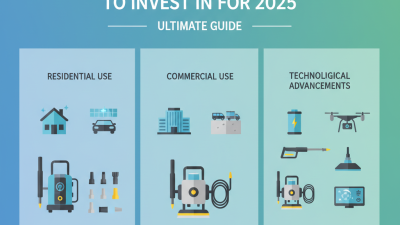
Pressure washers are ideal for outdoor cleaning. They can power through grime on decks and driveways. Yet, they need careful handling. Improper use can damage surfaces. Consider your environment closely. Not every machine suits every task. Reflect on your cleaning habits before making a decision.
Assessing Your Cleaning Needs: Residential vs. Commercial Requirements
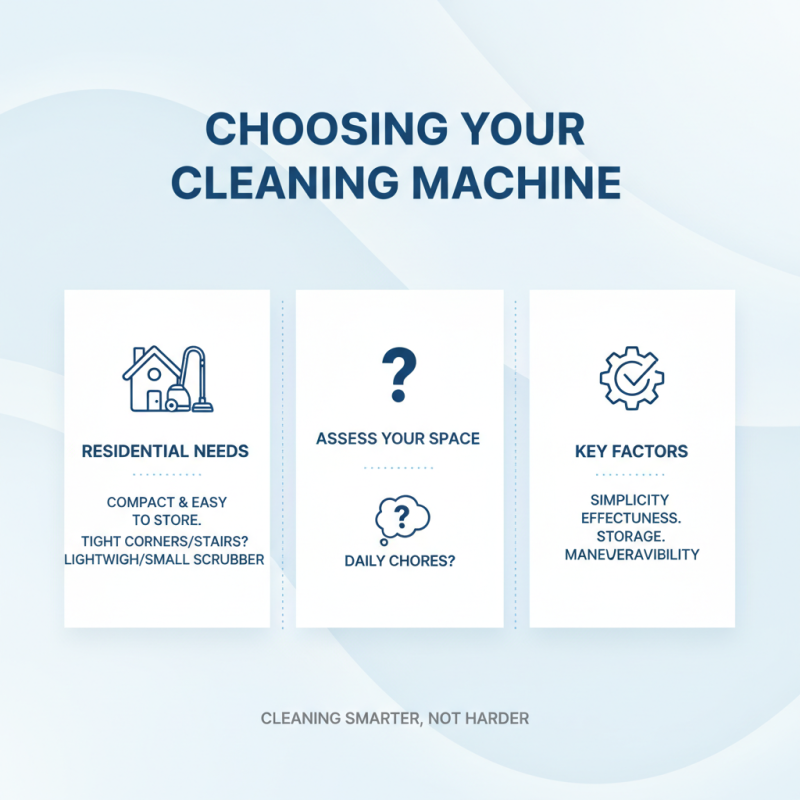
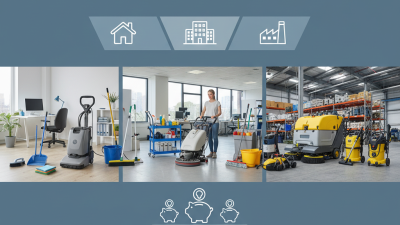
When choosing a cleaning machine, it's crucial to assess your specific needs. Residential cleaning typically requires machines that are compact and easy to store. Think about your space. Do you have tight corners or stairs? If so, a lightweight vacuum or a smaller scrubber might be better. Simplicity often helps in daily chores.
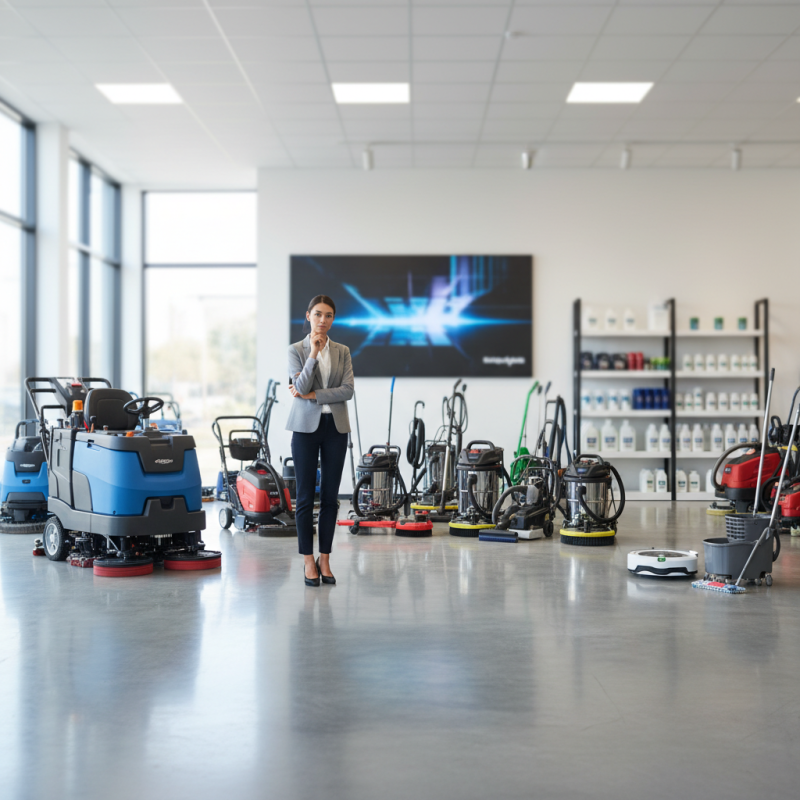
On the other hand, commercial cleaning demands more powerful machines. These areas often face heavy foot traffic and tougher stains. A durable floor scrubber or an industrial vacuum can handle more extensive cleaning tasks. However, larger machines can be cumbersome. Imagine struggling to maneuver a big machine in narrow hallways. It's essential to consider both functionality and ease of use.
Finding the right balance can be tricky. Sometimes, you may need to compromise. A powerful machine might be too challenging to operate at home. Conversely, a lightweight model may not withstand the rigors of a commercial environment. Reflect on your cleaning habits and the level of maintenance you are willing to invest in. This will guide your decision effectively.
Key Features to Consider When Choosing a Cleaning Machine
Choosing the right cleaning machine involves several key features. The type of surface matters. Some machines excel on carpets, while others work well on hard floors. Consider what areas you’ll be cleaning most often. Portability is another important factor. A lightweight machine can make a big difference, especially for frequent use. Look for models that have wheels or are easy to lift.
The capacity of the cleaning tank is also crucial. A larger tank means less frequent refilling. However, if the machine is too heavy, it may become cumbersome. Think about your own physical ability when selecting a model.
Noise level can vary significantly between machines. If you need to clean during the day, look for quieter options.
Don’t overlook additional features. Some machines come with extra attachments. These can enhance versatility, making it easier to tackle various tasks. However, a machine with too many bells and whistles may be complicated. It’s essential to find a balance. Reflect on what features truly fit your cleaning routine and lifestyle. Avoid getting lost in the marketing hype around high-tech gadgets.
Evaluating Budget Options: Cost vs. Quality in Cleaning Machines
When choosing a cleaning machine, balancing cost and quality is crucial. A lower price often means fewer features and shorter lifespan. Some machines may clean basic dirt well, but struggle with tougher stains. You might save upfront, but consider long-term expenses. Frequent repairs can quickly add to your budget.
Quality machines often come with better warranties. For instance, a durable model might cost more initially, yet require less maintenance. Look for reviews online to gauge performance. Feedback from users can reveal potential issues. Don't rely solely on marketing claims. Sometimes, the best cleaning machine isn't the flashiest one.
Also, think about the type of cleaning you'll do. If you have pets, you might need a machine that handles hair effectively. It’s easy to overlook features that match your specific needs. Balancing performance with features can help you make a wise choice. Consider what matters most to you.
Evaluating Budget Options: Cost vs. Quality in Cleaning Machines
Maintenance and Support: What to Look for After Purchase
When investing in a cleaning machine, considering maintenance and support is crucial. A recent industry report highlights that 70% of machine users experience operational downtime due to inadequate maintenance. This statistic emphasizes the need for robust post-purchase support. Understanding the warranty details is essential. Look for warranties that cover key components for at least two years.
Regular maintenance not only prolongs the lifespan of the machine but also ensures efficiency. It's important to assess the availability of service centers. A machine lacking nearby support can lead to delays in repairs. Choose models that offer strong network connections for remote diagnostics. This feature can help catch issues early.
Tips: Always keep maintenance records. This practice can help identify recurring problems. Also, invest in regular training for your team. A trained staff will handle machines better, reducing wear and tear. Consider reaching out to online forums for user experiences. Sometimes, the feedback you receive may reveal potential shortcomings not covered in manuals. Remember, a well-maintained machine is an efficient machine.
How to Choose the Best Cleaning Machine for Your Needs? - Maintenance and Support: What to Look for After Purchase
| Feature |
Description |
Importance |
Considerations |
| Type of Cleaning |
Determine if you need a machine for hard floors, carpets, or both. |
High |
Assess the areas you need to clean regularly. |
| Size and Weight |
Smaller machines are easier to store and maneuver. |
Medium |
Consider the space you have available for storage. |
| Maintenance Requirements |
Understand the upkeep involved in maintaining the machine. |
High |
Check if parts are easy to replace or clean. |
| Warranty and Support |
Look for warranties that cover parts and service. |
High |
Evaluate customer service reputation. |
| User-Friendly Features |
Consider features like noise level, controls, and ease of use. |
Medium |
Try operating demos if possible. |
| Cleaning Efficiency |
Evaluate how effectively the machine cleans various surfaces. |
High |
Check reviews for performance insights. |