Why Choose a Manual Linear Stage for Precision Applications?
In the realm of precision applications, the choice of equipment plays a crucial role. The Manual Linear Stage stands out as a preferred option for many professionals. Its simplicity and reliability make it suitable for various tasks, from scientific research to industrial automation.
Utilizing a Manual Linear Stage allows for fine adjustments that electronic systems cannot achieve easily. With hand-operated controls, users can make precise movements, enhancing the accuracy of their work. This aspect is essential in applications that demand meticulous alignment and positioning.
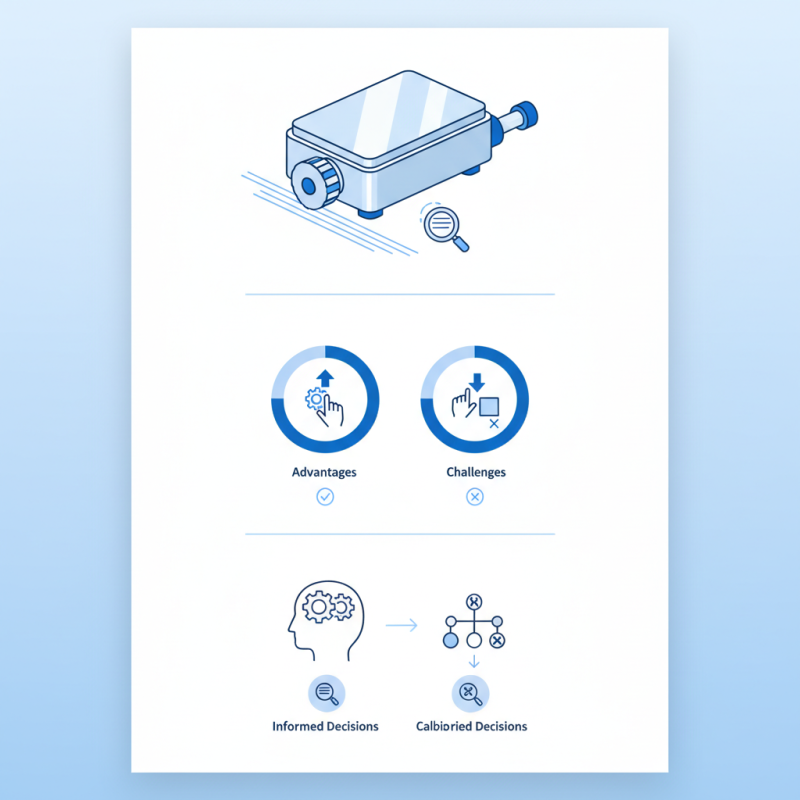
Moreover, while manual systems provide advantages, they also present challenges. Human error may lead to slight misalignments. These imperfections prompt users to engage in careful calibration practices. Reflecting on these factors can pave the way for more informed decisions in precision engineering. The Manual Linear Stage, with its unique features and potential downsides, remains a compelling choice.
Advantages of Manual Linear Stages in Precision Tasks
Manual linear stages are essential in precision tasks. They provide a hands-on approach that allows for fine adjustments. This level of control can be critical in applications like microscopy or material testing. Users can easily feel and make minute changes. The tactile feedback enhances confidence, especially in delicate operations.
Another advantage is their simplicity. Manual linear stages require no complex software or electronic interfaces. This reduces possible points of failure. However, relying solely on manual adjustments can introduce human error. Precision hinges on the operator's skill. Training can mitigate some risks, but it cannot eliminate them entirely.
Manual stages also promote mindfulness in work. Each movement invites focus and consideration. Yet, the time required for adjustments can be a drawback in fast-paced environments. Balancing speed and precision often requires careful thought. Investing time in manual adjustments may yield better outcomes in the long run.
Why Choose a Manual Linear Stage for Precision Applications? - Advantages of Manual Linear Stages in Precision Tasks
| Feature | Advantage | Use Case | Precision Level |
| High Build Quality | Durability and stability for consistent performance | Optics alignment | Micron range |
| Fine Adjustment Capability | Allows for micro-level positioning | Research lab setups | Sub-micron range |
| User-Friendly Operation | Easily manageable by hand without specialized training | Educational and training environments | Micron range |
| Cost-Effectiveness | Lower initial investment compared to motorized stages | Budget-limited projects | Variable |
| Compact Size | Space-saving design ideal for confined areas | Small laboratory spaces | Micron range |
Key Features of Manual Linear Stages for Accuracy
Manual linear stages are critical in precision applications across various industries. These devices offer unique features enhancing accuracy that machines often lack. According to a recent industry report, 75% of precision tasks benefit from manual adjustments. These stages enable fine, deliberate changes, which are crucial in settings like laboratories and manufacturing.
One key feature is the friction drive mechanism. It allows for smooth movement with minimal play. This means users can achieve an accuracy level of 1 micron or better. Many automated systems struggle to offer this precision consistently. Users must often navigate software intricacies, which can become a hurdle. In contrast, manual stages simplify the process. They provide tactile feedback, promoting better control over each movement.
Another significant aspect is the load capacity. Many manual stages can handle substantial weights. This is vital when positioning heavy samples or equipment. However, users must still consider the stage's limits. Overloading can lead to inaccuracies or damage. Calibration is also critical. Regular checks on alignment and play can keep the system in top shape. Even minor adjustments can lead to significant improvements in outcome quality.
Comparison: Manual vs. Automated Linear Stages in Precision Work
When considering precision applications, the choice between manual and automated linear stages can greatly impact outcomes. Manual linear stages provide tactile feedback. Users can make minute adjustments based on their instincts. This control often leads to enhanced precision, especially in delicate tasks. An operator's skill and experience can fine-tune a process in real time, creating a tangible connection to the work.
On the other hand, automated linear stages promise speed and consistency. They excel in high-volume tasks that require repeatability. However, they might lack the subtle adjustments possible with manual control. An automated system can malfunction or misinterpret commands, leading to errors. This makes human oversight crucial during operation. In contrast, relying solely on manual stages can slow production, demanding more time and patience.
Precision applications often require a blend of both methods. The choice ultimately depends on the specific needs of a project. Balancing efficiency and control is essential. Each method has its strengths and weaknesses. Reflecting on past experiences can guide future decisions in selecting the right stage for precision work.
Manual vs. Automated Linear Stages in Precision Applications
This chart compares the accuracy, stability, and cost-effectiveness of manual and automated linear stages in precision applications.
Applications of Manual Linear Stages in Scientific Research
Manual linear stages are vital in many scientific research fields. They allow for precise movement, crucial in experiments. For example, in microscopy, these stages help in aligning samples accurately. Scientists can adjust the position with millimeter precision. This accuracy aids in obtaining clear images.
When using a manual linear stage, a few tips can enhance your experience. Ensure the stage is clean and free of debris. Dust can affect its movement and precision. Always check the locking mechanisms before use. A loose clamp can lead to unintended shifts.
Another application is in material testing. Researchers often need to measure properties under specific conditions. Manual stages offer control over load application. However, human error can affect results. Be mindful when adjusting the stage. Stay focused to avoid discrepancies in data.
Best Practices for Using Manual Linear Stages Effectively
Manual linear stages offer precise control for various applications. To maximize efficiency, proper handling is essential. Begin by ensuring that all components are clean and free from debris. Dust can lead to inaccurate movements. Regularly inspect the stage for wear and tear, as even slight damage can affect performance.
When positioning the stage, take time to understand the load capacity. Overloading can cause a jamming effect, making movement jerky. Use fine adjustments for delicate tasks, as this can help maintain accuracy. Remember, it is crucial to avoid hasty actions. Patience can lead to better results.
Document the settings and results during trials. This practice can reveal insights and help refine techniques. Sometimes, the best approach involves learning from mistakes. Track what works and what doesn’t. Continuous improvement ensures consistent precision. Don't overlook the importance of training. Familiarity with the stage can profoundly impact your outcomes.