How to Pressure Wash Driveways and Patios Effectively?
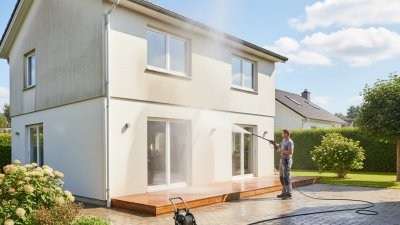
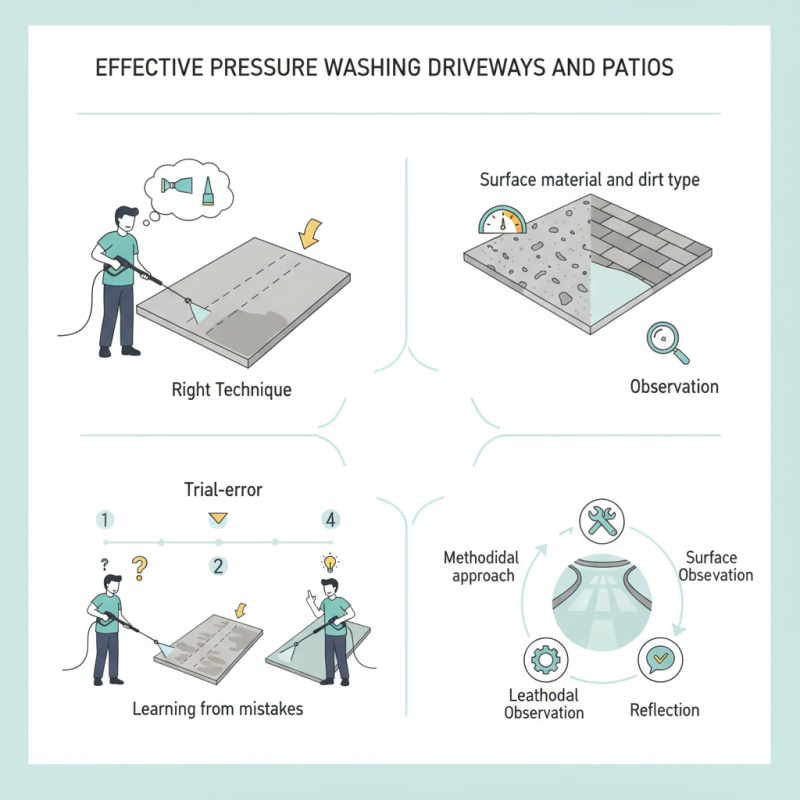
When it comes to maintaining driveways and patios, effective pressure washing is key. John Smith, a pressure wash expert with over a decade of experience, emphasizes, "Using the right technique can make all the difference." A clean surface not only enhances curb appeal but also prolongs the life of these areas.
Pressure wash methods vary. Factors like surface material and dirt type play vital roles. For instance, concrete may require different handling than brick. Beginners might find it challenging to gauge the right pressure and distance. Stripping away grime is often a trial-and-error process. Learning from mistakes is part of mastering this skill.
Technique matters more than equipment. Underestimating the task can lead to unsatisfactory results. Observing your surface as you work can reveal what needs more attention. Each driveway or patio presents unique challenges. A methodical approach can help you uncover the best ways to achieve that pristine finish. Remember, reflection on what works well or not is a crucial part of the journey.
Selecting the Right Pressure Washer for Your Driveway and Patio
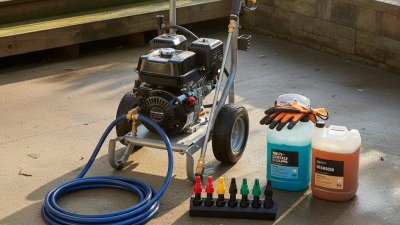
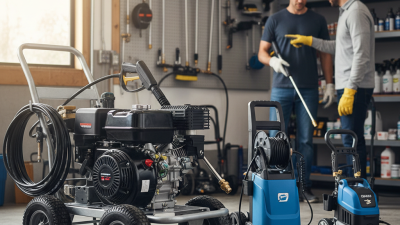
Selecting the right pressure washer for your driveway and patio is crucial. You’ll want to consider the cleaning power, measured in PSI (pounds per square inch). A unit with at least 3000 PSI is typically effective for stubborn stains and deeply embedded dirt. However, going too high can damage surfaces like pavers or delicate concrete. Finding a balance is key.
Additionally, think about the flow rate, indicated in GPM (gallons per minute). A higher GPM means faster cleaning. For driveways, a rate of at least 2.5 GPM is helpful. You might also want to explore different nozzle types. Each nozzle has a specific spray pattern and pressure level. Adjusting nozzles can enhance efficiency on various surfaces.
Keep in mind your budget and maintenance needs. Some models require more upkeep than others. A heavier machine might offer more power but can be difficult to maneuver. You may not always choose the best option right away. It’s a learning process, and you can refine your approach over time. Experimenting with different setups can lead to better results.
Preparing the Area: Safety and Protection Measures
Before starting your pressure washing project, preparation is essential. First, clear the area of furniture, planters, and any outdoor decorations. Move items away to avoid damage. Wetting plants and nearby flowers can protect them from strong water blasts. This small step makes a big difference.
Safety should also be a priority. Wear goggles to shield your eyes from debris. Slip-resistant shoes can prevent accidents on wet surfaces. Cover any electrical outlets and outlets nearby to avoid mishaps. It's easy to overlook these details in the excitement of washing, but taking the time to prepare ensures a safer environment.
Lastly, consider the surface of your driveway or patio. Different materials may require different cleaning techniques. Test a small section first. Reflecting on past experiences is valuable. Some may wish they had taken more precautions initially, avoiding damage or extra work later. Being meticulous can save effort in the long run.
Choosing the Appropriate Cleaning Solution for Stains
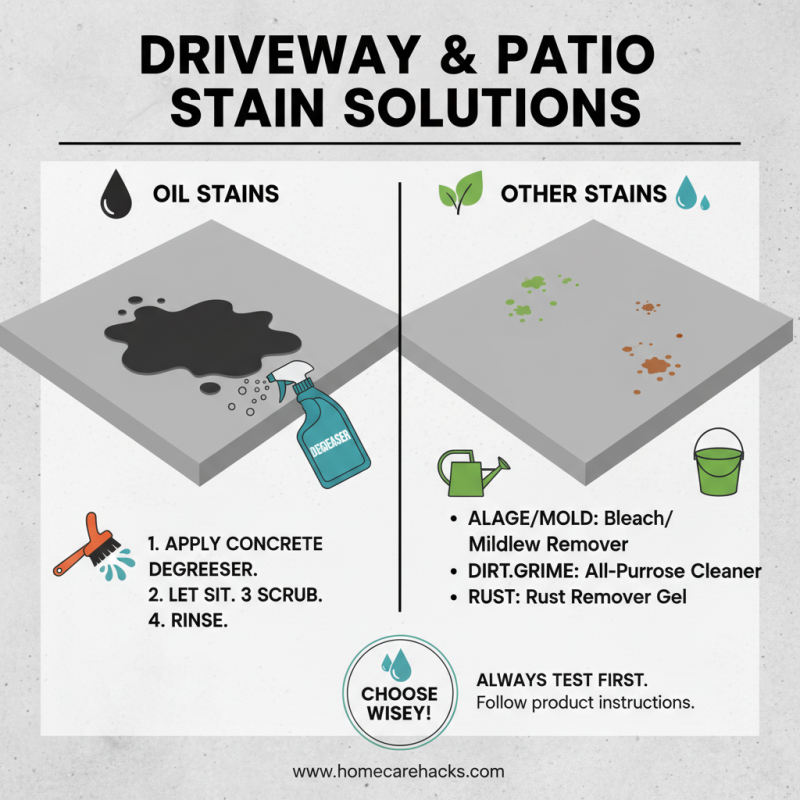
Choosing the right cleaning solution for stains on your driveway or patio is crucial. Different stains require different approaches. Oil stains, for example, can be particularly stubborn. A good approach is to use a degreaser designed for concrete. This solution breaks down the oil, making it easier to wash away.
For rust stains, a solution with oxalic acid can work wonders. This type of cleaner targets rust effectively. It’s important to apply it carefully to avoid damaging the surrounding surfaces. Always follow the manufacturer's instructions for the best results.
Some may find that vinegar is a great natural alternative. It’s effective on minor stains but may not work as well on tougher ones. Testing a small area first is wise to see how your surface reacts. Remember that different surfaces could give varying results. So, there’s no one-size-fits-all. Some stains may linger despite your best efforts, prompting you to rethink your cleaning strategy.
Step-by-Step Guide to Pressure Washing Driveways
When pressure washing driveways and patios, preparation is key. Start by clearing the area of any furniture, plants, or other obstacles. This will help ensure an efficient cleaning process. Next, inspect the surface for cracks or damage. It’s a good idea to address any issues before washing. Proper equipment setup also matters. Ensure the pressure washer is in good working condition. Choose the right nozzle for the job; a wider spray can prevent potential damage.
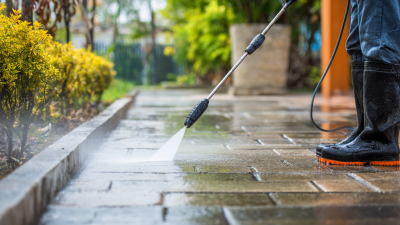
As you begin pressure washing, use a consistent and controlled motion. Overlapping each pass is essential for thorough cleaning. Watch for dirt buildup, especially in corners and edges. If some stains persist, consider using a cleaning solution designed for outdoor surfaces. Be mindful of the distance between the nozzle and the surface. Too close can etch the material. It’s okay if there are areas that need redoing; this is part of the learning process. Remember to adjust your technique as needed and take breaks to evaluate your progress. Each driveway or patio is different, and adapting your method will lead to the best results.
How to Pressure Wash Driveways and Patios Effectively
| Step |
Description |
Tools Needed |
Safety Tips |
| 1 |
Clear the area of furniture and debris. |
Broom, Trash Bag |
Wear gloves and protective eyewear. |
| 2 |
Pre-treat stains with appropriate cleaners. |
Degreaser or specialty cleaner |
Follow product instructions carefully. |
| 3 |
Set up your pressure washer and select the right nozzle. |
Pressure Washer, Nozzles |
Check for leaks and ensure connections are secure. |
| 4 |
Start pressure washing from the highest point and move down. |
Pressure Washer |
Keep a safe distance to avoid damage. |
| 5 |
Rinse off the cleaner and debris thoroughly. |
Pressure Washer, Water |
Ensure that no cleaner residue remains. |
| 6 |
Let the area dry completely before replacing furniture. |
N/A |
Avoid walking on the wet surface to prevent slips. |
Step-by-Step Guide to Pressure Washing Patios
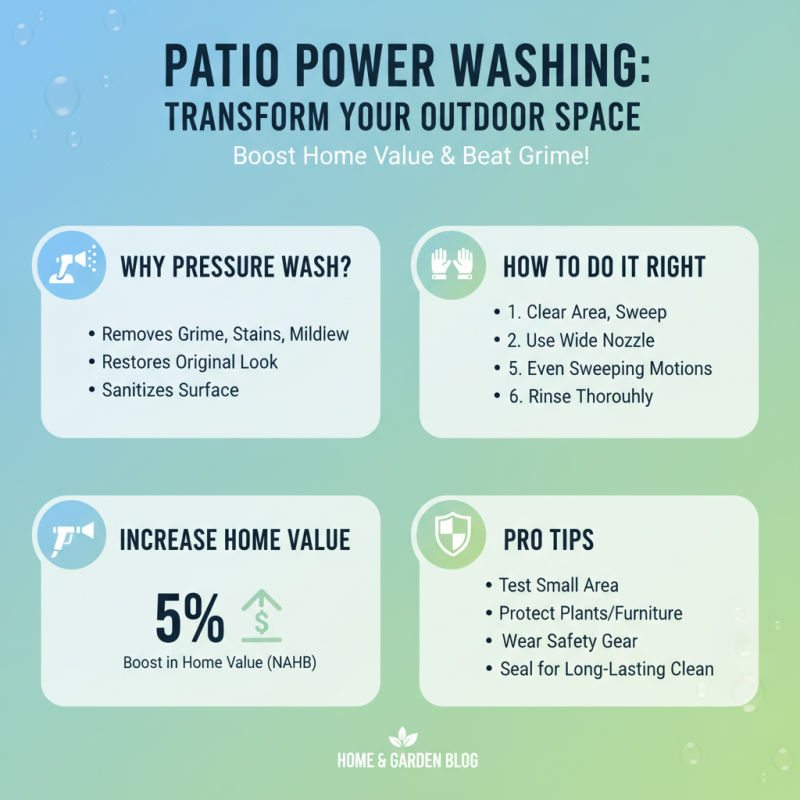
Pressure washing patios can transform outdoor spaces. It removes grime, stains, and mildew effectively. According to the National Association of Home Builders, clean patios can increase home value by 5%. Here’s how to do it right.
Start by preparing the area. Move furniture and plan which sections to wash. This will save time and prevent damage. Use a 25-degree nozzle for most surfaces. For tougher stains, a 15-degree nozzle may be necessary. Wear safety goggles and gloves to protect yourself from debris and chemicals.
Tip: Work in sections. This keeps the process manageable and ensures even cleaning. A wet surface helps the detergent work better. Let it sit for 5-10 minutes before rinsing. This can make a big difference. Avoid rushing; quality matters.
Evaluate the results after washing. If stains remain, consider repeating the process or using targeted stain removers. It’s not uncommon to miss spots on the first try. Always reflect on what methods worked best. Each patio has unique issues that may require different approaches.