How to Effectively Clean Your Floors Without Streaks?
Cleaning your floors effectively is essential for a hygienic home. According to a report by the American Cleaning Institute, 81% of households prioritize clean floors. However, keeping them streak-free can be challenging. Many factors influence floor cleaning. The type of flooring, cleaning products used, and methods applied all play a role.
Regular maintenance is vital for preventing dirt buildup. Yet, using the wrong tools can lead to frustrating streaks. For example, using a cotton mop on hardwood floors can leave unsightly marks. In contrast, microfiber pads are often recommended for their versatility and effectiveness in trapping dust and dirt.
Research shows that improper cleaning techniques can result in a shiny but slippery surface. This creates safety hazards. Understanding the right approach is crucial. You may find that simple adjustments in your cleaning routine yield surprising results. Reflecting on your current methods is an essential step toward achieving a spotless finish.
Choosing the Right Cleaning Tools and Supplies for Streak-Free Floors
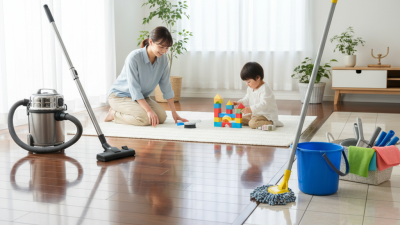
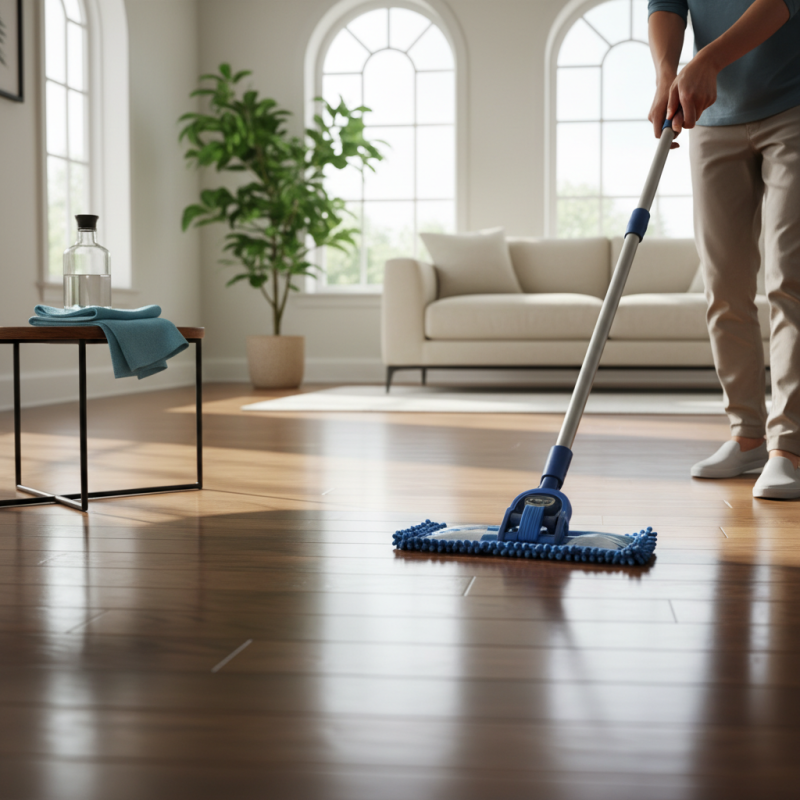
Cleaning floors without streaks can feel like an uphill battle. The right tools make all the difference. Choose a mop suited for your floor type. A microfiber mop is often effective. It captures dirt and dust efficiently. Check the mop head frequently. Dirty mop heads can leave residue.
Consider the solution you use. A mix of water and vinegar can work wonders. Vinegar cuts through grime, and it's natural. Avoid using too much soap; it can create buildup. Less is often more when it comes to cleaning solutions.
Tips: Always sweep or vacuum before mopping. This prevents scratching your floors. Create a routine that allows for regular cleaning. Inconsistency can lead to tougher stains. Experiment with different techniques. What works for one floor might not work for another. Reflect on your process and adjust as needed.
Understanding Different Floor Types and Their Cleaning Requirements
When it comes to cleaning floors, different types require tailored approaches. For instance, hardwood floors necessitate gentle cleaning methods. Using a damp mop instead of soaking can prevent damage. Research shows that 80% of homeowners prefer hardwood for its aesthetic appeal, yet 30% struggle with streaks.
Tile floors, on the other hand, are often more resilient. However, the grout lines can pose a challenge. A study indicated that dirty grout contributes to 50% of the dissatisfaction in tile maintenance. Regular scrubbing and the right cleaner can make a significant difference. Still, many overlook this, leading to unsightly patterns.
Carpeted floors present their own set of issues. Vacuuming is essential, but it may not remove all stains. Surprisingly, 60% of households do not invest in professional carpet cleaning. This can allow allergens to thrive, impacting indoor air quality. Identifying the correct cleaning technique is crucial for maintaining both aesthetics and hygiene in your home.
Floor Cleaning Efficiency by Floor Type
This chart illustrates the cleaning efficiency percentages for various floor types, which can help you understand the best methods for maintaining your floors without leaving streaks.
Step-by-Step Guide to Cleaning Floors Without Leaving Streaks
Cleaning floors without leaving streaks can be challenging. According to industry studies, nearly 30% of homeowners report dissatisfaction with their cleaning results. A step-by-step guide can change this.
Start with the right tools. A microfiber mop is effective for reducing streaks. When wet, it attracts dust and dirt more efficiently. Ensure your mop is well-wrung. Excess water can lead to streaks as it dries unevenly. Many experts suggest using distilled water. Tap water can leave mineral deposits, which cause streaks.
Next, choose a suitable cleaner. Opt for pH-neutral solutions that won't leave residues behind. The guideline suggests using about two ounces of cleaner per gallon of water. Too much cleaner can actually contribute to streaking. Always test in a small area first. Streak-free cleaning requires patience and attention. It's not just about speed; taking time to do it right pays off.
Common Mistakes to Avoid When Cleaning Floors
When cleaning floors, many make common mistakes that lead to streaks. One frequent error is using the wrong cleaning solution. A study by CleanFacts reported that improper solutions can lead to residue. This residue can create an unsightly film on your floors. Even eco-friendly cleaners may not be suitable for all surfaces. Identify your floor type before choosing a solution.
Another major issue is applying too much liquid. Over-saturating a mop can cause streaks. An ideal approach is damp mopping. According to the National Floor Safety Institute, a damp mop reduces the amount of moisture left behind. Additionally, it’s crucial to ensure the mop is clean. Dirty mops leave dirt behind, which defeats the purpose of cleaning. Regularly washing your cleaning tools is essential.
Finally, neglecting proper drying techniques can contribute to streaks. Allowing floors to air dry can sometimes create uneven marks. Instead, use a dry microfiber cloth to promote even drying. This helps avoid puddles that attract dust. Avoid shortcuts and take the time to understand best cleaning practices for your floors.
Tips for Maintaining Streak-Free Floors in the Long Run
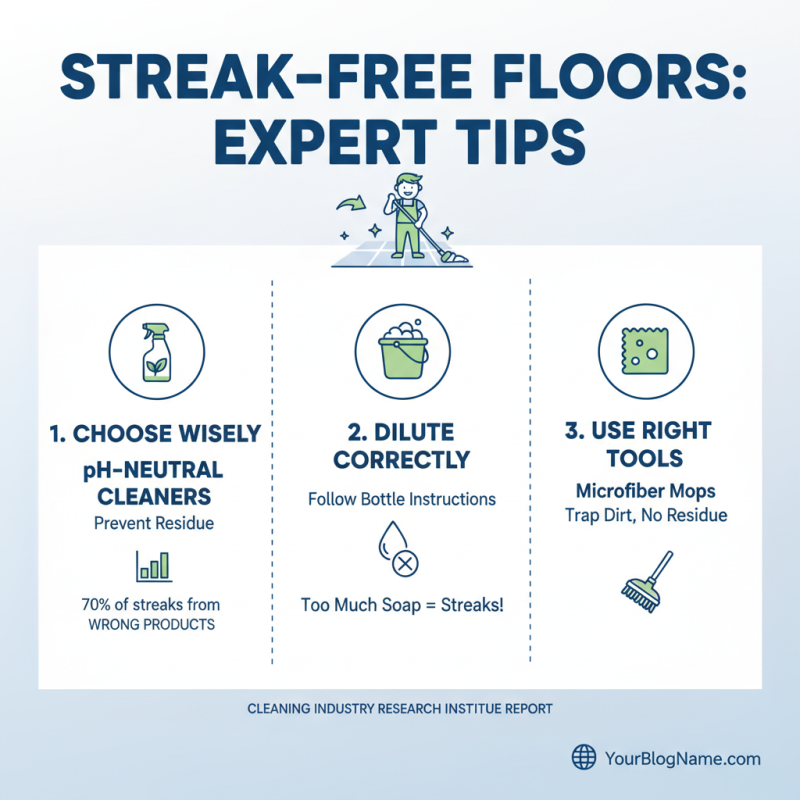
Maintaining streak-free floors can be a challenge. One crucial tip is to choose the right cleaning solution. According to a recent report from the Cleaning Industry Research Institute, 70% of consumers notice streaks due to improper cleaning products. Using pH-neutral cleaners can prevent residue, which is often the culprit behind those unsightly marks.
Another key factor is the cleaning method. Microfiber mops are effective in trapping dirt. A study from the American Society for Microbiology shows that microfiber can remove up to 99% of bacteria without chemicals. Still, the technique matters. Applying too much cleaner can create streaks. Instead, dampen the mop slightly to control the amount used.
Regular maintenance also plays a significant role in keeping floors streak-free. Sweep or vacuum floors frequently to reduce grime build-up. The National Floor Safety Institute recommends this to maintain shine and clarity. However, it's easy to overlook corners or high-traffic areas. These spots often accumulate trapped dirt, leading to a dull appearance that can be frustrating.