Top Power Washing Supplies You Need for Your Business?
Power washing can transform surfaces and enhance property appeal. However, it requires the right equipment. According to John Wilkins, a leading expert in the power washing industry, “The right supplies can make or break your business.” His insight underscores the importance of having quality power washing supplies.
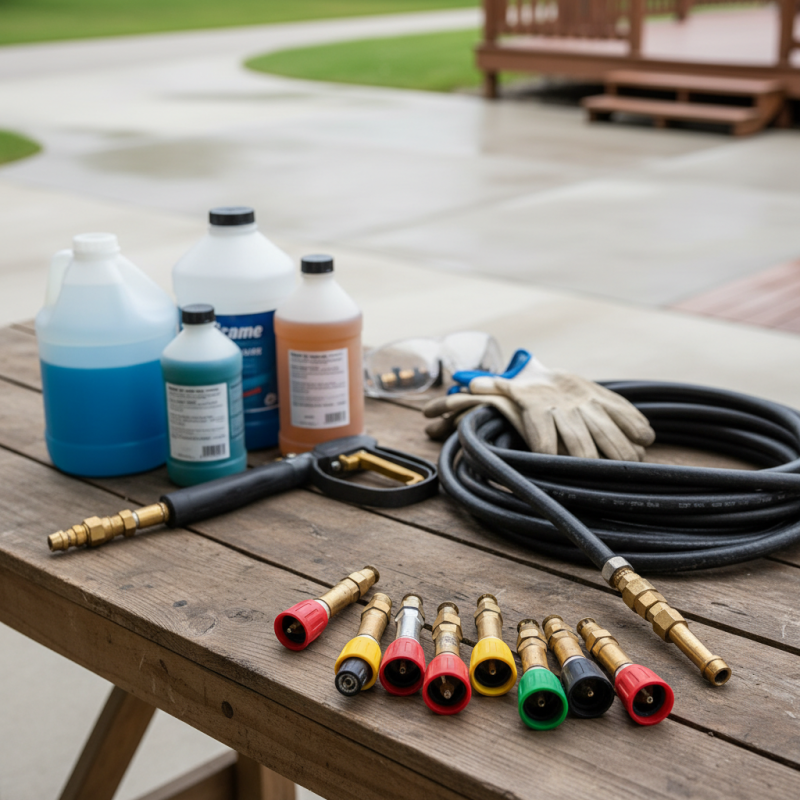
Choosing the correct nozzles and detergents is essential. Not all solutions work for every surface. For example, concrete requires different treatment than wood. Using the wrong supplies may result in damage or inefficient cleaning. Each job demands specific tools and knowledge.
Investing in quality power washing supplies can build your reputation. Clients expect reliable and effective results. If your equipment fails, it reflects poorly on your service. Evaluate your needs regularly. Continuous learning and adaptation are vital in this competitive field. Maintaining high standards is not just about having the right supplies; it is about using them wisely.
Essential Power Washing Equipment for Starting Your Business
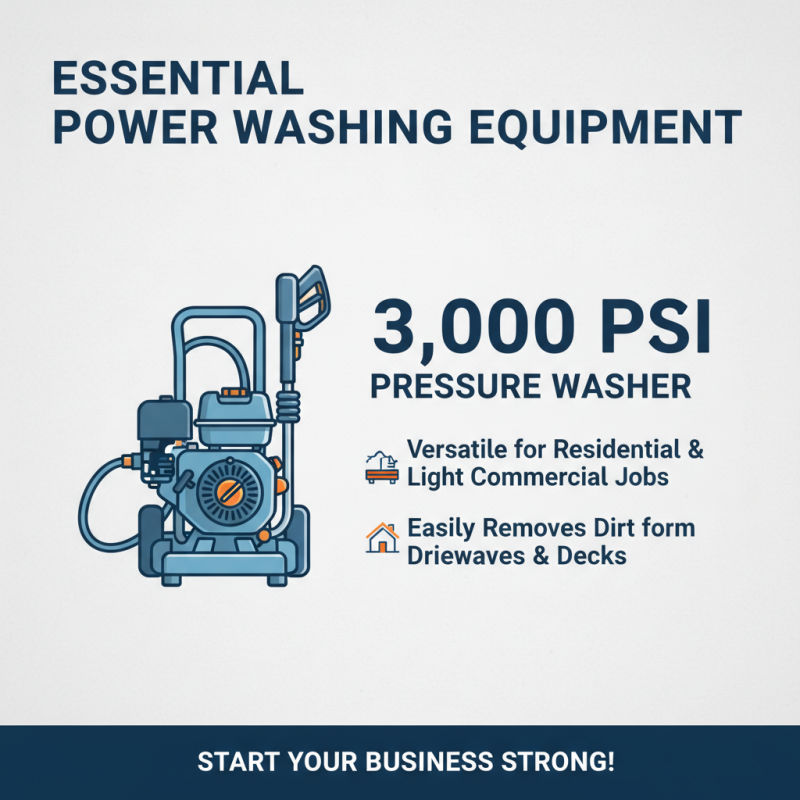
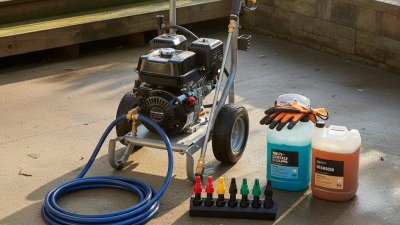
When starting a power washing business, having the right equipment is crucial. Essential tools include a high-quality pressure washer. According to industry reports, a 3,000 PSI pressure washer can tackle most jobs effectively. This level is suitable for residential and light commercial tasks. It can remove dirt from driveways and decks easily.
In addition to the pressure washer, a reliable surface cleaner is important. Surface cleaners enhance efficiency by providing a wider cleaning path. A typical surface cleaner can reduce cleaning time by up to 40%. This tool is especially valuable for flat surfaces. Hot water pressure washers are also gaining popularity. They are particularly effective in removing grease and oil stains.
Another vital component is personal protective equipment. Workers need safety goggles and gloves to prevent accidents. Nearly 27% of power washing workers report injuries due to lack of protection. Training employees on proper handling of machines can minimize risks. Investing in training resources is wise. Overall, equipping your business with these essentials contributes to operational effectiveness.
Understanding the Different Types of Power Washers and Their Uses
Power washers come in various types, each serving specific needs. Understanding these distinctions is crucial for any business in the cleaning industry. According to a 2023 industry report, pressure washers generate 1300 to 4000 PSI. This range determines their cleaning power, suitability, and application.
Electric power washers are ideal for light-duty tasks. They work well for cleaning decks, patios, and vehicles. However, they may struggle with tougher jobs. Gas-powered washers, on the other hand, are more robust. They are capable of handling heavy-duty cleaning. Their higher PSI can tackle stubborn grime and large surfaces effectively.
Hot water pressure washers are another option. They use heated water to enhance cleaning efficiency. The elevated temperature helps dissolve grease and oil faster. However, they typically require more maintenance. Understanding the equipment's intended use will help in choosing the right type. Misjudging this could lead to operational inefficiencies or even equipment damage.
Key Power Washing Detergents for Effective Cleaning Results
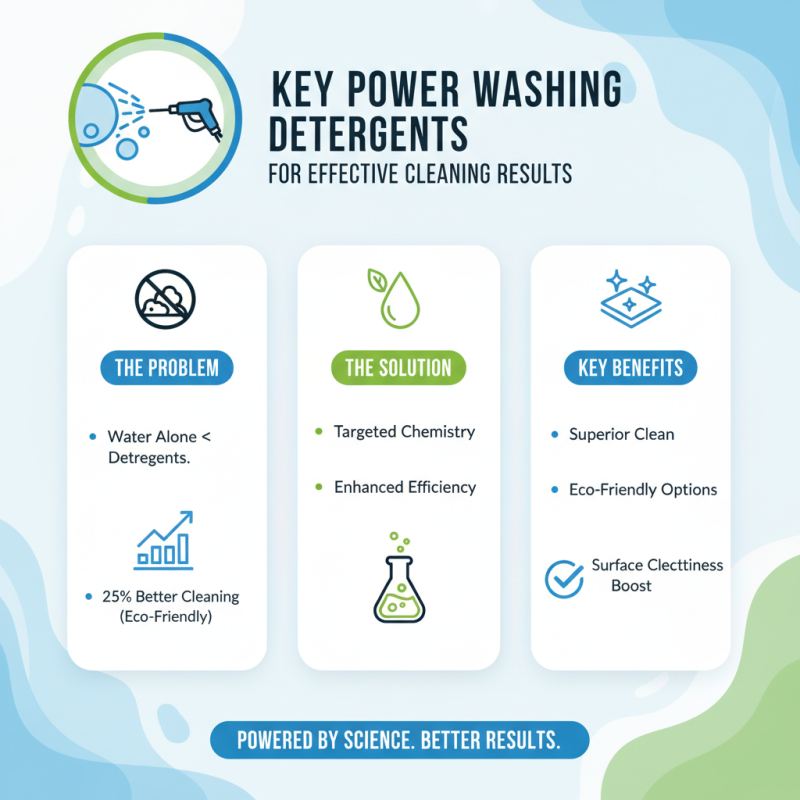
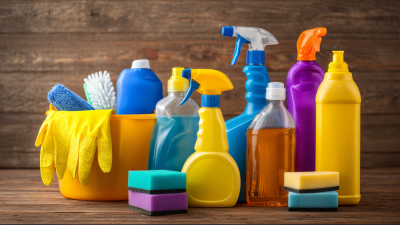
When it comes to power washing, choosing the right detergents is crucial. Effective cleaning relies on the right combination of chemicals. Various studies show that specific formulations can significantly enhance cleaning efficiency. For instance, a report from the Power Washers of North America indicates that using eco-friendly detergents can boost surface cleanliness by 25% compared to water alone.
Surfactants in power washing detergents play a vital role. They help break down grime and dirt, allowing for easier removal. In fact, a comprehensive analysis found that detergents with high surfactant content reduce cleaning time by nearly 30%. However, not all detergents perform well on every surface. The misuse of powerful chemicals can lead to damage, highlighting the need for training on product selection and application methods.
Moreover, operators often overlook the importance of pH levels in detergents. Products that are too acidic or alkaline can harm surfaces, leading to costly repairs. Regular feedback and training can enhance the effectiveness of chemical use. This continual learning process ensures that professionals remain aware of best practices.
Safety Gear and Precautions for Power Washing Professionals
Power washing professionals must prioritize safety gear and precautions. The job involves dealing with high-pressure water and potentially hazardous materials. Wearing appropriate safety equipment is essential to prevent injuries. This includes gloves, safety goggles, and sturdy boots. These items protect against chemicals and debris that may be present during cleaning. A well-fitted face mask can also help filter out harmful particles.
In the field, even experienced workers can face unexpected challenges. It's crucial to conduct site assessments before starting any job. Look for loose objects or unstable surfaces. Awareness can prevent accidents. Regularly inspect your equipment as well. A malfunctioning machine can lead to injury or damage. Personal protective equipment may seem cumbersome at times. However, it is vital for ensuring safety and reducing risk factors.
Power washing can be rewarding, yet it comes with risks and responsibilities. The importance of preparation cannot be overstated. Having a clear safety plan is essential. Always communicate with your team. Encourage them to voice concerns. Creating a culture of safety leads to better outcomes and boosts confidence on the job.
Top Power Washing Supplies Needed for Your Business
Maintenance Tips for Keeping Your Power Washing Equipment Efficient
Maintaining power washing equipment is crucial for efficiency and longevity. Regular checks ensure your machines work as intended. Inspect hoses and fittings frequently. Cracks or leaks can lead to reduced performance and increased costs. A small leak today can turn into a significant problem tomorrow.
Routine cleaning of your power washer is also important. Remove debris from filters and nozzles after each use. This simple task can improve water flow and pressure. Remember to store your equipment in a dry place. Moisture can lead to rust and damage. A well-stored machine will save you money in repairs later.
Don’t forget about the oil and fuel levels. Regularly check and change oil as needed. Old oil can cause engine issues. Fuel should be fresh to prevent clogging in the system. With these maintenance tips, you can extend the life of your power washing equipment. It's not just about having the right supplies; it's about keeping them in peak condition.
Top Power Washing Supplies You Need for Your Business
| Supply Item |
Description |
Purpose |
Maintenance Tips |
| High-Pressure Hose |
Durable hose designed for high-pressure water flow. |
Delivers water at high pressure for efficient cleaning. |
Inspect regularly for wear and tear; replace if damaged. |
| Power Washer Nozzles |
Variety of nozzles for different spray patterns and pressure. |
Allows customization of cleaning according to surfaces. |
Clean nozzles after each use to prevent clogging. |
| Chemical Soap Dispenser |
Device for mixing cleaning chemicals with water. |
Enhances cleaning effectiveness on tough stains. |
Rinse thoroughly to avoid corrosion; check hoses for leaks. |
| Surface Cleaner |
Flat device with multiple nozzles for large surface cleaning. |
Provides even cleaning on driveways and patios. |
Inspect brushes and nozzles; replace if worn. |
| Protective Gear |
Safety equipment like gloves, goggles, and masks. |
Protects users from chemical exposure and debris. |
Regularly check for damage and replace worn items. |