10 Essential Tips for Choosing the Best Floor Cleaning Equipment
When selecting the right floor cleaning equipment, it’s essential to consider various factors that influence efficiency and effectiveness. The market offers a wide range of options, each designed for specific types of flooring and cleaning tasks. Understanding your unique needs can help narrow down the choices significantly.
Quality and performance are critical aspects. Seek equipment that stands out, not just for its features but also for its reliability. Brands with a proven track record often receive positive reviews from users. However, remember that not every popular choice may suit your specific situations. It’s crucial to evaluate each option carefully.
Cost should also be a factor in your decision. While it may be tempting to opt for the cheapest option, durability and long-term performance can outweigh initial savings. Investing in high-quality floor cleaning equipment can save you money and time in the long run. Balancing cost with quality will ultimately enhance your cleaning routine.
Understanding Different Types of Floor Cleaning Equipment
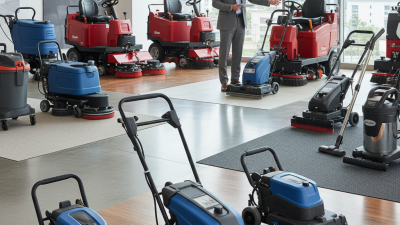
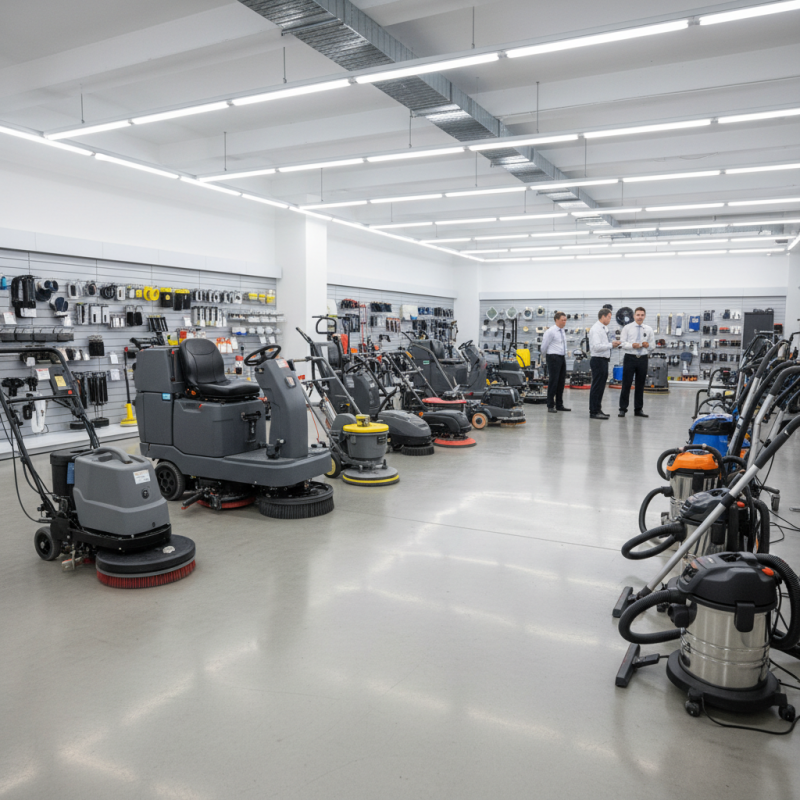
When selecting floor cleaning equipment, it’s crucial to understand the different types available. Each type serves specific needs. For instance, mops and buckets are ideal for smaller spaces, while automatic scrubbers excel in larger areas. Knowing your environment matters.
Consider the surfaces you'll be cleaning. Hard floors require different tools compared to carpets. Vacuum cleaners, steam cleaners, and sweepers are designed for various tasks. If you're tackling tough stains, a steam cleaner can be very effective. However, it may not be necessary for daily maintenance.
Regular maintenance of your equipment is key. Clean out filters and check for clogs. This ensures performance is consistent over time. Choosing energy-efficient models can also save money. If you're unsure, consult experts or read user reviews. They provide real-world insights into equipment performance. Remember, there’s no one-size-fits-all solution. The right equipment depends on specific cleaning needs and conditions.
10 Essential Tips for Choosing the Best Floor Cleaning Equipment
| Equipment Type |
Best For |
Features |
Considerations |
| Manual Mops |
Small Areas |
Affordable, Easy to Use |
Labor-Intensive |
| Steam Cleaners |
Deep Cleaning |
Sanitizes, Reduces Chemicals |
Heat-Up Time Required |
| Vacuum Cleaners |
All Floor Types |
Powerful Suction, Various Attachments |
Can Be Heavy |
| Floor Scrubbers |
Large Areas |
Efficient, High Cleaning Rates |
More Expensive |
| Sweeper Machines |
Outdoor Areas |
Cleans Debris, Fast Operation |
Requires Maintenance |
| Carpet Cleaners |
Carpeted Areas |
Deep Cleans Carpets, Extracts Dirt |
Drying Time Needed |
| Polishers |
Hardwood and Tile Floors |
Adds Shine, Removes Scratches |
Requires Skill to Use |
| Wet/Dry Vacuums |
Various Floor Types |
Versatile, Handles Liquids |
Can Be Bulky |
| UV Sanitizing Devices |
High-Sanitization Needs |
Kills Germs, Chemical-Free |
Time-Consuming Process |
Factors to Consider When Assessing Cleaning Efficiency
When assessing cleaning efficiency for floor cleaning equipment, several critical factors come into play. The type of flooring influences the choice of equipment. For instance, hardwood surfaces require gentler cleaning methods than tile or concrete floors. According to industry reports, improper cleaning can lead to long-term damage. This often necessitates additional costs for repairs and replacements.
Another vital aspect is the cleaning mechanism itself. Equipment that uses mechanical agitation tends to perform better for tough stains. A study found that machines leveraging both scrubbing and suction saw a 30% improvement in stain removal compared to standard models. However, not all products meet this standard. Inconsistent performance can lead to frustration and time wastage.
Additionally, understanding the chemical composition of cleaning solutions is essential. Some chemicals can be abrasive, degrading flooring materials over time. A survey revealed that 40% of cleaning professionals emphasized the importance of eco-friendly solutions to protect both health and materials. Balancing effectiveness and safety can be challenging but is crucial for long-term maintenance.
Analyzing Your Floor Type for Suitable Equipment Selection
When selecting floor cleaning equipment, understanding your floor type is crucial. Different surfaces require specific cleaning approaches. For instance, hardwood floors demand gentle cleaning solutions to avoid damage. Conversely, tile and vinyl can handle more robust machines. A mismatch can lead to costly repairs or inadequate cleaning results.
Consider the texture and finish of your floors. Textured surfaces may trap dirt more easily, needing more powerful equipment. Flat surfaces, however, might require lightweight machines. Pay attention to the cleaning solution's compatibility as well. Some chemicals can harm sensitive materials. This is an often-overlooked detail that can lead to dissatisfaction.
Evaluate the durability of your chosen equipment. High-quality machines last longer and handle wear and tear effectively. However, even the best equipment can falter without proper care. Regular maintenance prolongs lifespan and ensures efficiency. Reflect on your cleaning habits too. Skipping maintenance can lead to diminished performance over time. It is essential to balance equipment quality with thoughtful upkeep for the best results.
10 Essential Tips for Choosing the Best Floor Cleaning Equipment
This bar chart displays the recommended equipment scores for various floor types, guiding you to choose the most suitable cleaning equipment based on your specific flooring material.
Budgeting: Cost-Effective Options for Quality Floor Cleaners
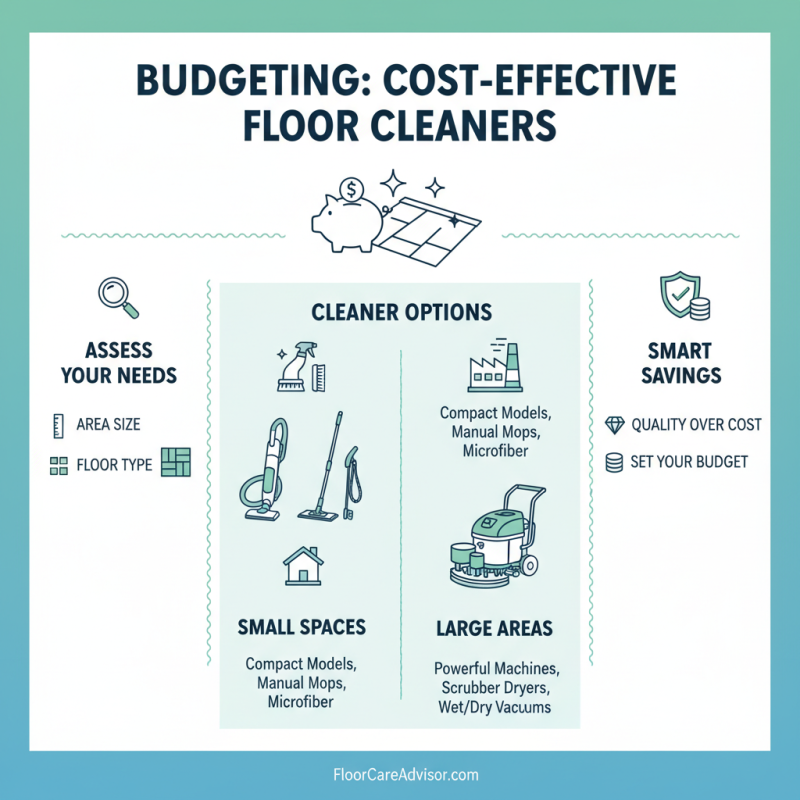
Budgeting for floor cleaning equipment doesn't have to break the bank. Many options exist that provide quality without excessive costs. Start by assessing your specific needs. Consider the size of the area you’re cleaning and the type of flooring involved. For small spaces, a compact model may suffice. Larger areas can benefit from more powerful machines, but ensure they fit your budget.
A good approach is to compare different models. Look for features that enhance efficiency, like ease of use and durability. Read reviews to understand user experiences. Some lower-priced models perform surprisingly well. It's crucial to balance performance with affordability. Aim for options that have a reputation for reliability, as this impacts long-term value.
Be open to exploring rental options. Renting can save money, especially for one-time deep cleans. However, keep in mind that renting means committing time to research suitable machines. Investigate maintenance costs, too. Cheaper machines might need repairs sooner. Make informed choices for sustainable cleaning solutions that won't strain your finances.
Maintenance and Longevity: Choosing Durable Cleaning Machines
When selecting floor cleaning equipment, durability should be a top priority. A sturdy machine can withstand heavy use and last longer. Look for machines made from high-quality materials. Stainless steel and reinforced plastics often provide extra strength. Check for warranties that reflect the manufacturer’s confidence in their product. This can indicate how long the equipment is expected to last.
Maintenance plays a crucial role in equipment longevity. Regular cleaning of your machines helps prevent wear and tear. Clear any debris from filters and brushes after each use. Following the manufacturer's guidelines can help extend the equipment's life. However, even the best-maintained machines can have unexpected breakdowns. Being prepared for repairs is part of responsible ownership.
Consider ease of repair as well. Machines that are simpler to fix can save time and money. Sometimes, parts are hard to find, or repairs can take too long. This can be frustrating, especially when keeping spaces clean is a priority. Reflect on your cleaning needs to make a better choice. Prioritize investing in durable, easy-to-maintain equipment that meets your specific requirements.