What is a Soft Wash Pressure Washer and How Does It Work?
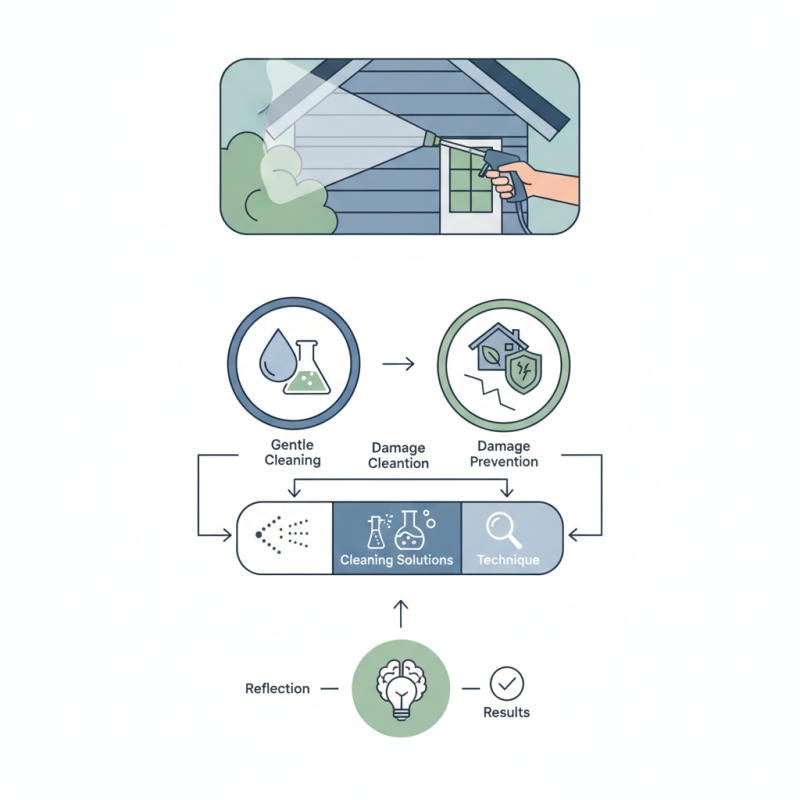
A soft wash pressure washer is a specialized tool designed for gentle cleaning. It uses a low-pressure spray combined with specialized cleaning solutions. This method is effective for surfaces that cannot withstand high pressure.
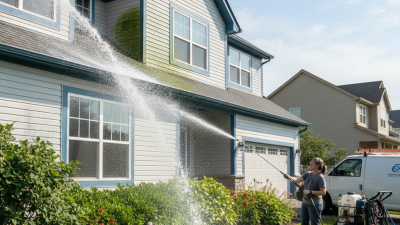
When using a soft wash pressure washer, it is essential to understand its operation. The cleaning solution works to break down dirt and grime. As it is applied, the low-pressure water ensures that delicate surfaces remain unharmed. This approach can prevent damage often caused by traditional pressure washing.
Many people overlook the importance of using the right technique. Improper use of a soft wash pressure washer can lead to less effective cleaning. It’s vital to choose the appropriate cleaning solutions and spray patterns. Reflection on the process can lead to better results over time.
What is a Soft Wash Pressure Washer?
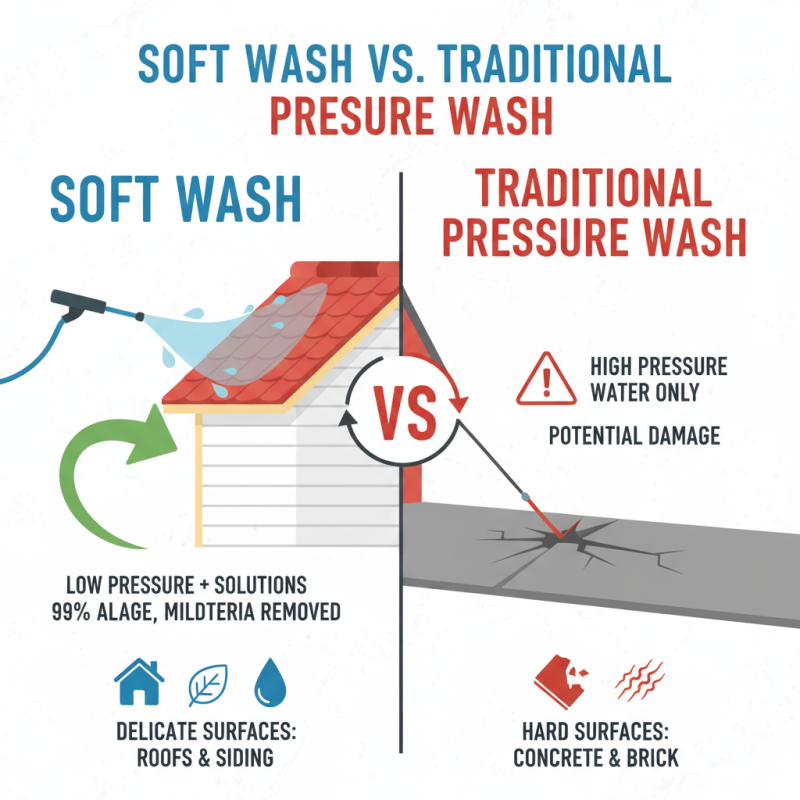
A soft wash pressure washer is distinct from traditional pressure washers. It employs low pressure combined with specialized cleaning solutions. This method is effective for gently cleaning surfaces without causing damage. According to industry reports, soft washing can remove up to 99% of algae, mildew, and bacteria from surfaces. This makes it ideal for delicate materials like roofs and siding.
The cleaning solution is key. It typically includes biodegradable agents. These agents break down dirt and organic growth. The low pressure ensures that these surfaces do not suffer from chipping or cracking. Many homeowners prefer soft washing for its eco-friendly approach. It not only protects their property but also minimizes chemical runoff into the environment.
**Tip:** Always test a small area before full application. You want to ensure the solution works well and does not discolor the surface.
**Tip:** Regular maintenance is crucial. Schedule soft washing at least once a year. This keeps surfaces clean and can prolong their lifespan. Even with soft washing, some surfaces may still need extra care. Consider consulting professionals for challenging areas.
How Soft Washing Differs from Traditional Pressure Washing
Soft washing offers a gentler alternative to traditional pressure washing. While pressure washing relies on high-pressure water jets, soft washing uses lower pressure and a unique cleaning solution. This method effectively removes dirt, grime, and algae without damaging surfaces. Soft washing is ideal for delicate materials like roofs, siding, and painted surfaces. The low-pressure approach minimizes the risk of stripping paint or causing surface damage, making it a safer choice for many homeowners.
Unlike traditional pressure washing, soft washing emphasizes cleanliness through chemistry rather than brute force. The cleaning solution breaks down organic matter, allowing for easier rinsing. Additionally, soft washing often lasts longer. Because the solution kills bacteria and spores, surfaces stay clean for a more extended period. Homeowners appreciate this lasting effect but should consider the need for periodic reapplication of the cleaning solution.
However, some may find that soft washing takes more time than traditional methods. The application process requires careful attention to detail, which can be frustrating. There is also a learning curve to ensure the right mixture is used. Balancing efficiency with effectiveness is critical. While soft washing can be a rewarding process, it demands patience and a willingness to adapt.
Components and Mechanism of a Soft Wash Pressure Washer
A soft wash pressure washer utilizes a unique combination of low pressure and specialized cleaning solutions. Its design focuses on gently cleaning surfaces without causing damage. This method is particularly effective for delicate materials like roofs and siding, where high pressure could strip paint or harm surfaces.
Key components of a soft wash system include a high-capacity tank, a powerful pump, and adjustable nozzles. The tank typically holds a biodegradable solution, designed for mold and algae removal. Data from industry reports suggest that using soft washing can reduce surface degradation by over 60%. The pump operates at lower PSI levels, often around 1000 PSI or less, making it safe for sensitive areas. Adjusting nozzles allows operators to control the solution's application rate, ensuring even coverage without oversaturation.
However, not all operators are familiar with this method. Misuse of cleaning solutions can lead to environmental risks. Additionally, the lack of attention to surface types may damage areas that need to remain intact. Regular training on the equipment’s proper use is essential, as human error can negate the benefits of soft washing. Understanding the balance between pressure and chemical application is crucial for achieving optimal results.
What is a Soft Wash Pressure Washer and How Does It Work? - Components and Mechanism of a Soft Wash Pressure Washer
| Component |
Description |
Function |
| Battery |
Power source for the pressure washer |
Provides electricity to the system |
| Pressure Pump |
Mechanical component that builds pressure |
Increases water pressure for effective cleaning |
| Chemical Injector |
Device that mixes cleaning solutions with water |
Delivers cleaning agents to surfaces |
| Hoses |
Flexible tubes that transport water |
Carries pressurized water to the spray nozzle |
| Nozzle |
Spray attachment at the end of the hose |
Creates a specific spray pattern for cleaning |
| Water Tank |
Reservoir for storing water |
Supplies water to the pump |
| Control Panel |
User interface for operating the washer |
Allows the user to adjust pressure and settings |
Benefits of Using a Soft Wash Pressure Washer
Soft wash pressure washing is a gentle and effective cleaning method. It uses low pressure combined with specialized cleaning solutions. This method is ideal for delicate surfaces. It won’t damage shingles or painted surfaces, unlike high-pressure washing.
One of the main benefits of a soft wash pressure washer is its ability to remove mold and algae. These organisms can grow quickly on roofs and siding. They not only look bad but can also cause long-term damage. By using a soft wash, homeowners can prevent this degradation. Additionally, the process is safer for the environment. The solutions used are often biodegradable and safer than overpowered chemical cleaners.
Another advantage is the extended lifespan of washed surfaces. Regularly cleaning your home’s exterior with soft wash techniques helps maintain its appeal. A well-maintained exterior often has higher property value. Aesthetic benefits shouldn’t be overlooked either. A clean, bright home stands out in any neighborhood. However, improper technique may leave streaks or residue. It's crucial to apply the right pressure and product concentration to avoid these issues.
Benefits of Using a Soft Wash Pressure Washer
Applications and Best Practices for Soft Washing
Soft washing is a gentle cleaning method often used in various applications around homes and businesses. It employs a low-pressure system combined with special cleaning solutions. This approach is ideal for surfaces that may be sensitive to high pressure, such as roofs, siding, and decks. Soft washing effectively removes algae, mold, and dirt without damaging the materials.
One common application is cleaning roofs. Over time, roofs can accumulate grime, creating an unsightly appearance. Instead of power washing, soft washing can restore a roof's look without risking damage. Additionally, soft washing is perfect for wooden decks. High-pressure washing can splinter the wood, but with a soft wash, the integrity of the wood remains intact.
It's important to note that proper technique is vital for effective soft washing. Incorrect dilution of cleaning solutions can lead to streaking or residue. Users must also remember to rinse thoroughly after cleaning. Some may overlook this step, leading to long-term damage or discoloration. Attention to detail is crucial in achieving optimal results.