Choosing the right cleaning equipment supplies can shape daily productivity, worker comfort, and operating costs. For global buyers, the decision involves more than comparing prices. A compact floor scrubber may suit a hotel corridor, while a heavy-duty vacuum may better serve a warehouse with fine dust. Small details matter. Tank capacity, noise levels, brush durability, power compatibility, and replacement-part access can affect performance after purchase.
This guide examines ten practical cleaning equipment supplies used across commercial, industrial, hospitality, healthcare, and facility-management settings. Each category is considered through real purchasing concerns, including application, maintenance, safety features, supplier support, and long-term value. Product claims should be checked against technical documents, testing records, warranties, and user feedback. Reliable suppliers should explain specifications clearly. They should not hide limitations behind attractive images.
No list is universal. A buyer in a humid coastal region may prioritize corrosion-resistant materials. A distributor serving several countries may need flexible voltage options and stable packaging. We also recognize that equipment performance depends on training, floor conditions, water quality, and maintenance habits. That part is easy to underestimate. Some recommendations may require further testing before large-scale ordering, especially when local service capacity is limited. Careful sampling remains wise.
The following overview is designed to support informed comparison. It combines practical experience, professional evaluation, and verifiable purchasing considerations. Buyers should confirm current technical requirements and local compliance expectations before committing to a supplier. Good equipment saves labor. The wrong equipment creates recurring costs.
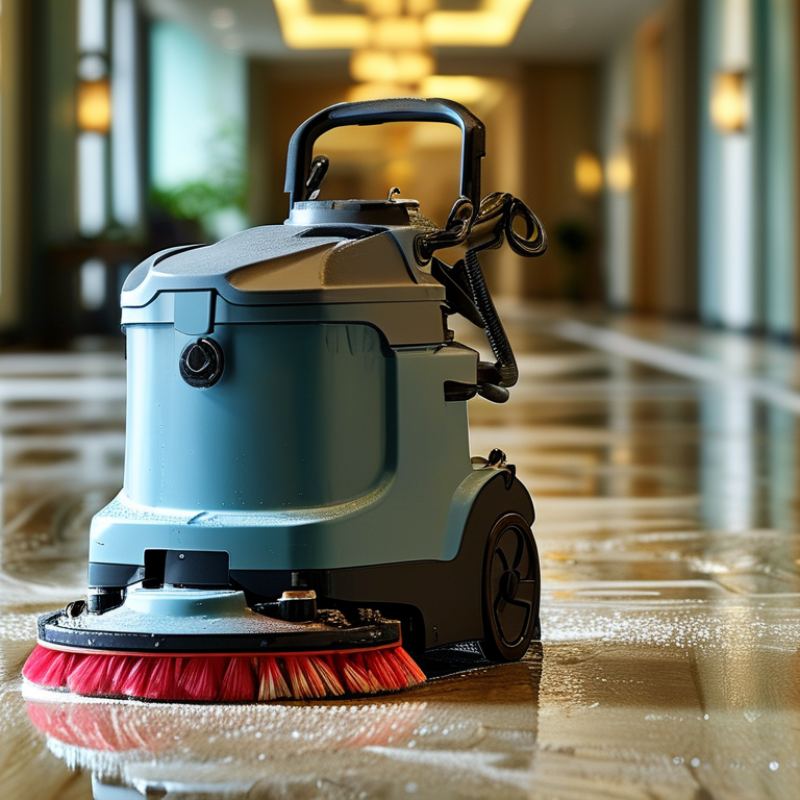
Cleaning equipment supplies are the machines, tools, accessories, and consumables used to remove soil safely and efficiently. They support homes, offices, hotels, factories, hospitals, and public facilities. Buyers should assess floor type, water access, power voltage, noise limits, and service conditions before ordering.
The main categories include vacuum cleaners, floor scrubbers, sweepers, pressure washers, carpet extractors, steam cleaners, mops, microfiber cloths, cleaning carts, and waste-handling supplies. Each category solves a different problem.
Vacuums collect dry debris, while extractors remove moisture and embedded stains. Scrubbers combine water, detergent, brushes, and suction for hard floors. Sweepers gather dust across large surfaces. Pressure washers remove outdoor grime with controlled water force.
In practical purchasing work, I check more than product photographs. A machine may appear powerful, yet its cable length, tank capacity, filter access, or replacement parts can limit daily use. A mop system may also require less storage than a larger machine.
Global buyers should request safety documents, operating instructions, material details, test records, and accurate packaging measurements. Electrical compatibility needs careful review, especially across regions. I have seen specifications that looked complete but missed noise data.
That omission can create problems in schools, hotels, and shared buildings. Cost matters, but repair access and operator training often influence the real purchasing value. Some categories overlap, and that can make comparison imperfect.
Global buyers should judge cleaning equipment by operating conditions, not catalogue rankings. A compact scrubber may suit a hotel corridor but fail on a rough warehouse floor. Check surface type, aisle width, noise limits, water access, voltage, and local service coverage. The International Energy Agency reports that buildings consume about 30% of global final energy. Therefore, energy use deserves a purchasing score, not a footnote. Compare battery runtime, charging time, motor efficiency, and standby consumption across the ten equipment categories.
Total cost matters more than the purchase invoice. Request spare-part prices, filter life, battery replacement intervals, and technician response times. Ask suppliers for test results under realistic conditions, including wet floors, dust loads, and eight-hour shifts. Safety evidence is equally important. The U.S. Bureau of Labor Statistics recorded falls, slips, and trips among major causes of workplace injuries requiring days away from work in 2023. Features such as controlled water flow, stable wheels, emergency stops, and clear operator controls can reduce avoidable exposure. Still, no specification replaces training. I would not assume a higher price guarantees better durability; field data can disagree.
Tips: Build a weighted scorecard before requesting quotations. Give separate scores for performance, energy, safety, maintenance, documentation, and local support. Test one unit for two weeks. Record cleaning time, noise, water use, and operator complaints. Leave room for revision. A useful criterion today may prove unsuitable after seasonal demand changes.
Cite: International Energy Agency, Global Status Report for Buildings and Construction; U.S. Bureau of Labor Statistics, Workplace Injuries and Illnesses, 2023.
Global buyers should compare cleaning equipment by use case, not by catalog size or motor power alone.
A commercial vacuum suits offices and hotels with dry dust.
A backpack vacuum reaches stairs and narrow aisles faster.
Wet-dry vacuums handle spills, workshops, and renovation debris.
For large hard floors, an automatic scrubber saves labor and controls water use.
Small sites may prefer a compact model.
A single-disc buffer restores shine on resilient flooring but requires trained handling.
Carpet extractors work best on stained textile floors, especially where deep rinsing matters.
Pressure washers remove mud from outdoor surfaces, loading areas, and vehicle bays.
Steam cleaners support grout, kitchens, and touchpoints with limited chemical use.
Microfiber mop systems fit daily maintenance because they reduce bucket water and improve consistency.
A janitorial cart completes the tenth use case by carrying tools, waste liners, and fresh cloths between rooms.
Field comparisons should include noise, battery runtime, recovery-tank capacity, cable length, and spare-part access.
Voltage compatibility matters across countries. So does local service support.
A powerful machine can underperform when operators cannot move it safely.
Wet floors also need warning signs and controlled access. That detail is easy to miss.
My own buying checklist would weigh repair time more heavily than showroom performance.
Test results can change after three months of dust, hard water, and rushed training. Buyers should request demonstrations on their actual flooring, because polished stone, vinyl, concrete, and carpet rarely respond the same way.
Top 10 Cleaning Equipment Supplies for Global Buyers
Reviewing Technical Specifications, Safety Standards, and Certifications
Global buyers should assess ten core supplies: vacuum cleaners, scrubber dryers, sweepers, pressure washers, steam cleaners, carpet extractors, microfiber systems, wet vacuums, dosing units, and safety signage. Technical review should examine airflow, suction pressure, tank capacity, noise output, battery runtime, water consumption, and filtration efficiency. A powerful machine is not always the best choice. Excess noise can affect staff comfort, while poor filtration may redistribute fine particles.
Safety evidence matters more than attractive specifications. The International Labour Organization reported 2.93 million work-related deaths in 2019, with many linked to unsafe conditions and exposure risks. Buyers should request electrical test records, emergency-stop functions, grounded components, chemical-resistant parts, and clear operating instructions. Equipment used around water should show suitable ingress protection ratings. Certification must be verifiable through an accredited body, not only printed on packaging.
Look for ISO 9001 quality systems and ISO 14001 environmental management where relevant. For electrical products, conformity with applicable IEC standards supports safer international procurement. Energy data also deserves attention. A lower water-use rate can reduce operating costs, but only if cleaning performance remains acceptable. I have seen specifications that look excellent on paper yet fail during heavy daily use. Request independent test reports, spare-parts availability, and service records. Certification helps, but practical trials still reveal weaknesses.
Reviewing Typical Technical Specifications, Safety Standards, and Certifications
The chart compares representative commercial rated input power for ten widely purchased cleaning equipment categories. Higher power does not automatically indicate better cleaning performance; buyers should also evaluate cleaning capacity, water flow, noise level, operating time, ergonomics, ingress protection, and local electrical compatibility. Common technical and safety references include IEC 60335 equipment standards, applicable UL or CSA requirements, CE conformity for relevant markets, and documented electrical safety testing. Ratings are typical category-level specifications and should be verified against the supplier’s current datasheet before purchase.
Global buyers should evaluate cleaning equipment supplies beyond catalog prices. The right comparison includes performance, spare parts, shipping terms, and service response. A practical shortlist may cover vacuum cleaners, floor scrubbers, sweepers, pressure washers, carpet extractors, carts, pads, brushes, filters, and safety accessories. For each item, request test data, material specifications, warranty terms, and expected service life.
Suppliers should provide a transparent quotation with product cost, packaging, export documents, insurance, and delivery charges. Do not trust the lowest offer. Landed cost matters more. Ask whether prices use FOB, CIF, or DDP terms, and confirm who handles customs clearance. For bulky machines, measure crate dimensions carefully. A small error can raise warehouse and ocean freight costs.
Shipping deserves equal attention. Request photos before dispatch, serial-number records, and a packing checklist. I once accepted a cheaper shipment with weak internal protection. The equipment arrived with scratched panels and delayed installation. That mistake taught me to inspect packaging, not just products. After-sales support should include spare-parts availability, remote troubleshooting, manuals, and technician training. Ask for a written response-time promise. Check whether common filters, hoses, batteries, and brushes can be replaced locally. Still, no checklist removes every risk; regional service capacity may change, and projected costs can be imperfect. Suppliers who explain these limits openly often prove more dependable than those making flawless promises.
| Rank | Equipment Supply | Typical Commercial Specification | Indicative Wholesale Cost (USD, FOB) |
Typical MOQ | Typical Production Lead Time | Indicative Sea Shipping Profile | Key Supplier Evaluation Criteria | After-Sales Support to Require |
|---|---|---|---|---|---|---|---|---|
| 1 | Microfiber Cleaning Cloths | 300–500 GSM polyester/polyamide blend; 30 × 30 cm or 40 × 40 cm; stitched edges; color-coded options | $0.25–$1.20 per piece | 1,000–5,000 pieces | 15–30 days | High container efficiency; usually packed in compressed cartons. LCL is practical for smaller orders. | Fiber blend accuracy, absorbency, lint release, colorfastness, edge durability, wash-cycle performance, and packaging consistency | Replacement for defective batches, pre-shipment sample approval, wash-test reports, and documented quality claims procedure |
| 2 | Professional Mop Systems | Aluminum or stainless-steel handle; 40–60 cm flat frame; washable microfiber or cotton mop head; wringer-compatible design | $4–$22 per set | 100–500 sets | 20–35 days | Moderate carton volume; handles may increase dimensional shipping costs. Sea freight is preferred for bulk orders. | Handle strength, frame corrosion resistance, replacement-part availability, ergonomic design, and compatibility with standard mop heads | Spare handles, frames, clips, and mop heads; assembly instructions; replacement-part pricing; warranty for structural defects |
| 3 | Wet and Dry Vacuum Cleaners | 20–80 L tank; 1,000–2,000 W motor; wet/dry filtration; 220–240 V or 110–120 V configuration; commercial hose and tools | $90–$380 per unit | 20–100 units | 25–45 days | Bulky but stackable cartons; confirm electrical compliance and plug configuration before booking. Sea freight typically offers the lowest landed cost. | Motor endurance, suction performance, tank material, noise level, electrical safety certification, filter availability, and spare-motor policy | 12–24 month warranty options, troubleshooting manuals, replacement filters and hoses, remote technical support, and repair-part availability |
| 4 | Single-Disc Floor Machines | 13–17 inch working width; approximately 1.5–2.5 HP motor; 150–200 RPM for scrubbing or polishing; adjustable handle | $280–$850 per unit | 5–20 units | 30–50 days | Heavy and palletized; ocean freight is normally required. Confirm crate dimensions, gross weight, and power requirements. | Motor protection, gearbox quality, operating balance, pad-driver compatibility, overload protection, and compliance documentation | Motor and gearbox warranty, electrical diagrams, spare carbon brushes, switches, belts, pad drivers, and technician training materials |
| 5 | Walk-Behind Automatic Scrubbers | 17–24 inch cleaning path; 20–50 L solution tank; 20–60 L recovery tank; battery-powered; adjustable brush pressure | $1,200–$4,500 per unit | 1–5 units | 35–60 days | Requires pallet or reinforced packing. Battery transport rules, hazardous-goods classification, and destination-port handling must be checked. | Battery type and cycle life, water recovery, brush availability, squeegee performance, noise level, service access, and operator safety | Battery and charger warranty, commissioning guidance, spare squeegees and brushes, service manuals, fault-code support, and parts stock commitment |
| 6 | Carpet Extractors | 10–25 L solution tank; 10–25 L recovery tank; 1,000–2,000 W motor; spray pressure commonly 2–8 bar | $320–$1,400 per unit | 5–20 units | 25–45 days | Medium-to-high carton volume; palletized sea freight is economical for multi-unit purchases. Protect pumps and hoses from impact. | Spray consistency, recovery strength, pump durability, tank sealing, hose construction, upholstery-tool quality, and drying performance | Pump, motor, hose, and seal warranty; replacement nozzles; maintenance schedule; repair videos; and availability of consumable parts |
| 7 | High-Pressure Washers | 100–200 bar operating pressure; 8–15 L/min flow; electric or engine-driven configuration; interchangeable spray nozzles | $180–$1,100 per unit | 5–20 units | 25–50 days | Heavy cartons with hose and lance accessories. Engine versions may require additional fuel-system and dangerous-goods documentation. | Pump material, pressure stability, thermal protection, hose rating, electrical safety, water-inlet requirements, and spare-pump availability | Warranty for pump and motor, replacement seals and hoses, descaling guidance, service diagrams, nozzle replacement, and technical troubleshooting |
| 8 | Janitorial Carts | Three-shelf or four-shelf design; polypropylene or powder-coated steel frame; 100–200 L waste capacity; bucket and wringer options | $55–$260 per unit | 20–100 units | 20–40 days | Large but lightweight cartons; nesting or partial assembly can reduce cubic volume and lower LCL shipping costs. | Load capacity, wheel quality, frame rigidity, chemical resistance, maneuverability, noise during movement, and ease of assembly | Replacement wheels, clips, bags, buckets, and trays; assembly instructions; spare-part pricing; and damage-replacement policy |
| 9 | Floor Pads and Brush Discs | 13–20 inch diameter; black stripping, green scrubbing, red spray-cleaning, or white polishing grades; fiber or nylon construction | $1.50–$18 per piece | 100–500 pieces | 15–30 days | Very high shipping efficiency; flat-packed cartons are suitable for consolidated sea freight or air shipment for urgent replenishment. | Color-to-abrasiveness consistency, thickness, dimensional accuracy, water retention, center-hole fit, and floor-surface compatibility | Performance samples, replacement for inconsistent batches, product-use charts, compatibility guidance, and documented abrasion specifications |
| 10 | Commercial Waste Bins and Liners | Bins: 60–240 L plastic or metal construction; liners: 30–240 L capacity with low-density or high-density polyethylene options | $0.08–$95 per unit depending on liner or bin |
500–5,000 liners or 20–100 bins | 15–35 days | Liners ship efficiently in compressed cartons. Bins are bulky and may require nesting, palletization, or full-container consolidation. | Bag thickness and load strength, leak resistance, recycled-content claims, bin-lid fit, wheel durability, odor control, and dimensional tolerance | Replacement for leakage or molding defects, batch inspection records, dimensional drawings, spare lids and wheels, and packaging-damage claims support |