Pressure washing equipment has become essential for homeowners aiming to maintain their properties. According to the American Pressure Washers Association, almost 70% of homeowners now invest in pressure cleaning solutions. This equipment not only enhances curb appeal but also extends the lifespan of your property’s surfaces.
As outdoor surfaces accumulate dirt, mold, and grime, using the right pressure washing equipment is key. Homeowners can save costs by reducing maintenance needs. A recent study indicated that regular pressure washing can increase property values by up to 15%. Clearly, the right tools can yield significant returns.
However, choosing the best equipment can be overwhelming. Many products on the market are designed for specific tasks. Understanding your needs is crucial before making a purchase decision. Not every machine is suited for every job. Proper research and reflection are necessary. Equip yourself with knowledge, and ensure that your investment truly meets your expectations.
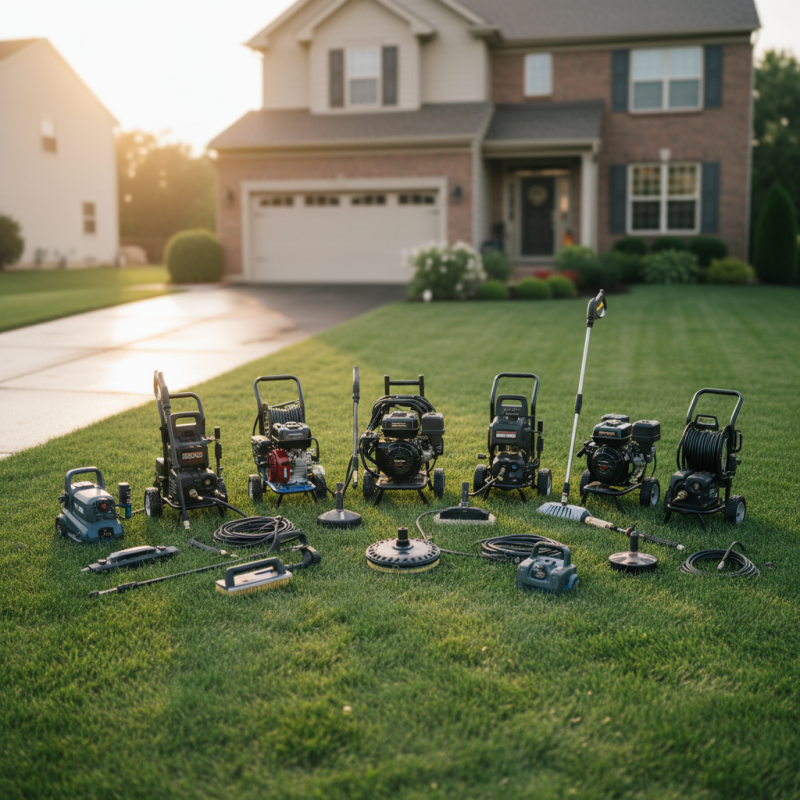
When selecting pressure washing equipment, several factors need consideration. The power of the machine is crucial. It’s generally measured in PSI (pounds per square inch). Higher PSI ratings indicate stronger cleaning potential. A study from the Pressure Washing Manufacturers Association shows that a residential machine typically ranges from 1300 to 3000 PSI.
You must also consider the type of surface you will be cleaning. A machine that works well on concrete may not be ideal for delicate wood surfaces. Different nozzles provide various spray patterns and pressures, impacting cleaning success. Experts recommend a machine with interchangeable nozzles to suit diverse needs.
Portability is another important aspect. If you need to maneuver around different areas, weight and design can make a difference. Some homeowners prefer electric models for quieter operation. However, gas-powered machines often provide more power. Balancing noise levels with cleaning efficiency can be challenging, and a heavier model may not be as easy to handle.
When choosing between gas and electric pressure washers, understanding their differences is key for homeowners. Gas pressure washers typically pack more power. They can deliver higher PSI (pounds per square inch) ratings, often exceeding 3000 PSI. This makes them ideal for heavy-duty cleaning tasks, like stripping paint or deep-cleaning concrete. However, they come with downsides. They are noisier, require regular maintenance, and emit fumes.
On the other hand, electric pressure washers are user-friendly. They are quieter and lighter, making them easy to maneuver. Most models range from 1300 to 2000 PSI, which is sufficient for typical household chores, such as washing patios or cleaning garden furniture. According to a recent industry report, over 60% of homeowners prefer electric models for light cleaning tasks. Yet, electric washers face limitations. Their power cord may restrict usage, and their performance declines in very thick grime.
Each type has its own pros and cons. Both categories serve different cleaning needs. It is crucial to assess what type of cleaning you’ll often tackle. There isn't a one-size-fits-all solution, and reflecting on your specific needs can guide your choice effectively.
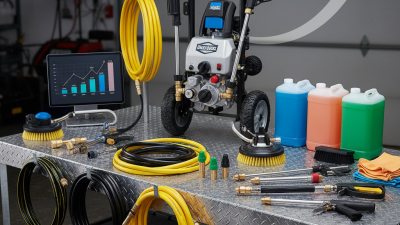
When it comes to pressure washing, having the right accessories can make a significant difference. A surface cleaner attachment is essential. It provides even cleaning across wide areas. Using this tool, you can reduce cleaning time significantly. It also minimizes streaks, leaving surfaces spotless.
Another must-have is a set of extension wands. These help you reach high places easily. Cleaning two-story homes becomes much simpler. However, remember that safety is crucial. You should always wear protective gear when using high-pressure equipment.
A foam cannon is another accessory worth considering. It helps apply soap evenly over surfaces. This can improve the effectiveness of your cleaning routine. The right type of detergent can enhance results. Just ensure that the chemicals you choose are safe for your surfaces. Sometimes, homeowners overlook the importance of proper nozzles. Each nozzle has a specific use, and using the wrong one can cause damage.
Experimenting with various pressure levels requires caution. You might find that a lighter touch is more effective in some cases. Finally, a sturdy hose reel can streamline your entire washing process. Tangled hoses lead to frustration. Organizing your tools helps you work more efficiently. Remember, using these accessories can transform your pressure washing experience, but they also require practice. Make time to learn how they operate best. Reflection on your technique will improve your results.
Using pressure washing equipment can transform your home’s exterior. However, safety should always be your priority. Begin by wearing protective gear. Safety goggles are essential. They guard your eyes from debris. Non-slip footwear is also key. Pressure washing can create slippery surfaces.
Before starting, inspect your equipment. Check hoses and connections for leaks. It’s crucial to ensure everything is functioning properly. Test the pressure on a small, hidden area first. This helps you gauge the impact. Adjust settings as necessary.
Keep a safe distance from the surface when washing. Aim to hold the nozzle at least two feet away. This prevents damage to your siding or driveway. Never direct the spray toward electrical outlets or fixtures. Doing so can lead to hazardous situations. Lastly, don’t rush the job. Take your time to ensure thorough cleaning. A hasty job often leads to missed spots and potential accidents.
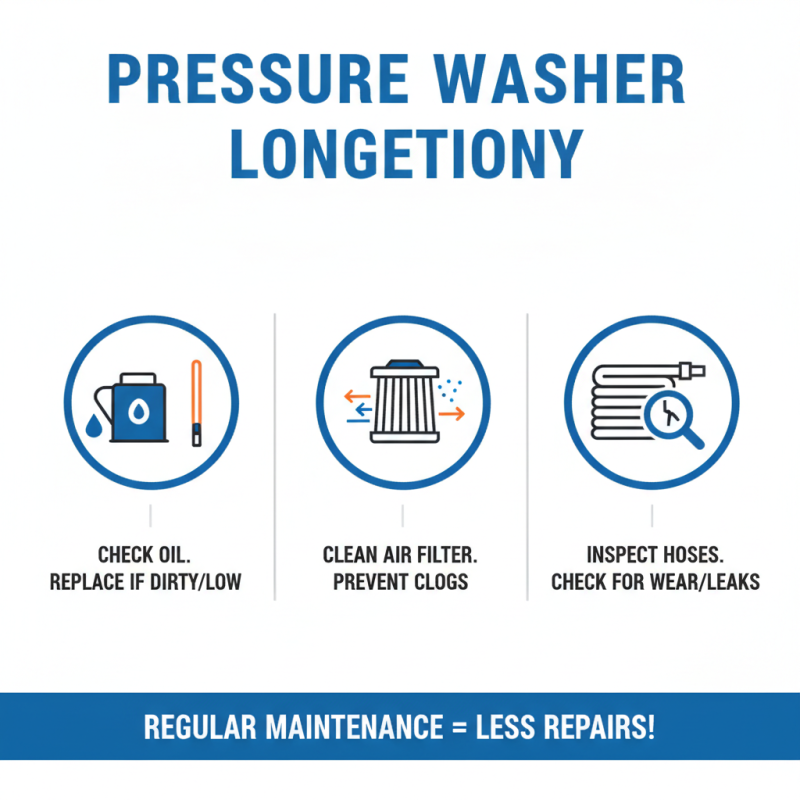
Maintaining a pressure washer is crucial for its longevity. Regular maintenance can prevent costly repairs. Start by checking the oil level consistently. If it appears dirty or low, replace it promptly. Clean the air filter often to prevent clogs. A dirty filter can hinder performance significantly. Inspect the hoses for any wear or leaks. Cracks can lead to unexpected failures during use.
Be mindful of the nozzles. They can become clogged with debris. Regularly clean and check for any damage. If a nozzle is damaged, replace it. A damaged nozzle can affect pressure output. Also, remember to store your pressure washer properly. Keep it in a dry, cool location. Avoid leaving it outside where elements can cause rust.
Take time to winterize your machine if you live in a cold climate. This step is often overlooked. Not winterizing can lead to frozen components and costly repairs. Lastly, don't skip user manuals. They contain valuable tips tailored to your model. Neglecting this can result in misuse and unnecessary wear. Each of these small, specific actions contributes to a well-functioning machine.