Choosing professional cleaning equipment is not simply a matter of selecting the most powerful machine. The right choice depends on the surface, cleaning frequency, workspace size, soil type, and available staff. A compact scrubber may suit a narrow hotel corridor, while a high-capacity vacuum could serve a busy warehouse better. Small details matter, too. Hose length, tank capacity, noise levels, filter quality, and wheel design can affect daily performance.
Reliable decisions should combine manufacturer specifications with practical workplace experience. Test how easily operators can carry, adjust, empty, and maintain each machine. A heavy vacuum may clean effectively, yet cause fatigue during long shifts. A floor polisher may produce a bright finish, but damage sensitive flooring when used incorrectly. Training requirements, replacement parts, energy use, and service support also deserve careful attention. Professional cleaning equipment should improve results without creating new operational problems.
There is no perfect purchase.
Professional cleaners often discover weaknesses after several weeks of use. A machine that looks efficient in a showroom may feel awkward in a crowded building. For that reason, compare verified performance data, user feedback, warranty terms, and maintenance records before committing. Independent testing can strengthen confidence, although no review replaces a controlled trial in your own facility. This guide explores practical selection criteria, common mistakes, and questions worth asking suppliers. It also recognizes an uncomfortable truth: the cheapest option may become expensive when downtime, repairs, and inconsistent results begin to accumulate.
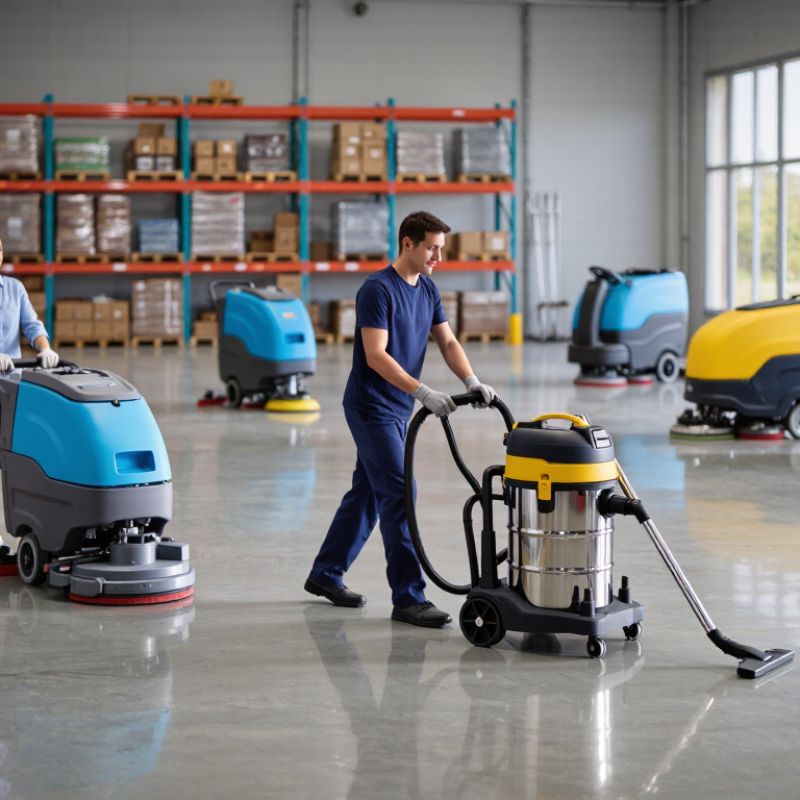
Professional cleaning equipment falls into several practical categories, each designed for a different surface, soil type, and working environment.
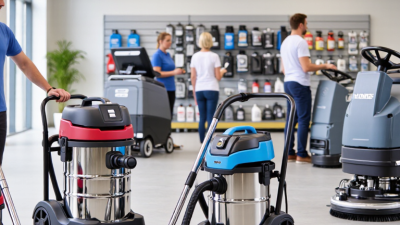
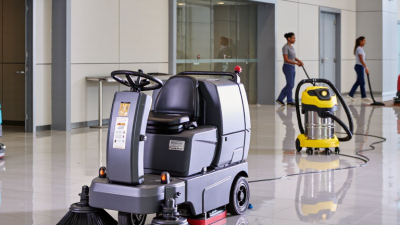
Dry vacuum cleaners remove dust, hair, and loose debris from carpets and hard floors. Wet-dry vacuums handle spills and construction residue, but their filters require careful selection. Floor scrubbers combine water, detergent, brushes, and suction for large smooth areas. They save time in warehouses, schools, and retail spaces.
Carpet extractors inject cleaning solution and recover dirty water. They are useful for deep fabric cleaning, although excessive moisture can create drying problems. Pressure washers remove stubborn outdoor grime from concrete and similar surfaces.
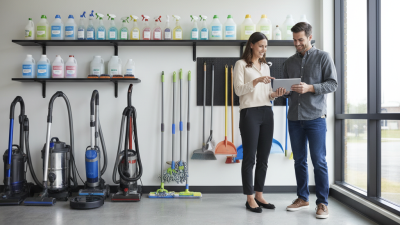
Steam cleaners use high-temperature vapor for detailed cleaning, but they cannot replace proper mechanical action everywhere. Air movers support faster drying after extraction or mopping. Small tools matter too. Color-coded brushes, microfiber cloths, squeegees, and extension handles improve control and reduce cross-contamination.
Choosing equipment requires more than comparing power ratings. Check floor compatibility, tank capacity, noise levels, transport weight, and available maintenance support. In practical cleaning work, a compact scrubber may outperform a larger model in narrow corridors.
I have also seen operators choose strong suction while ignoring recovery time. That decision looked efficient, but delayed room use. Training, inspection routines, and clear operating instructions make equipment safer and more reliable. Test a machine on a small area first. Surfaces can respond unpredictably.
Choosing professional cleaning equipment starts with the room, not the catalogue. Walk the site during its busiest period. Note floor surfaces, spill frequency, traffic direction, stairs, drains, and available storage. A healthcare corridor needs controlled chemical dosing and quiet operation. A warehouse may need wider cleaning paths, longer battery runtime, and equipment that tolerates dust. Wet areas require recovery capacity, not merely a larger brush.
Workplace requirements also include people. Measure doorway widths and turning space. Check whether operators can lift tanks, change pads, or read controls while wearing gloves. Noise matters near classrooms, offices, and patient rooms. The U.S. Environmental Protection Agency reports that indoor pollutant levels can be two to five times higher than outdoors. Poorly maintained vacuums or excessive dust agitation can undermine cleaning goals. Ventilation, filtration, and maintenance access deserve equal attention.
Data should support the purchase, but it should not replace observation. The U.S. Bureau of Labor Statistics estimated about 2.4 million janitors and building cleaners in May 2023. That scale makes ergonomics and training operational issues, not minor preferences. Compare labor minutes per 1,000 square feet, water use, downtime, and consumable waste. Ask operators to test equipment on the actual floor. A machine that looks efficient may struggle around chair legs. I have seen specifications win the discussion, while storage space quietly decides the outcome. Recheck the plan after one week of real use; the first forecast is often too optimistic.
Choosing professional cleaning equipment requires more than comparing prices. Performance should match the surface, soil type, and daily workload. For vacuums, compare airflow, sealed suction, filtration efficiency, noise level, and operating time. A higher wattage rating does not automatically mean stronger cleaning.
The U.S. Bureau of Labor Statistics reported over two million janitor and building cleaner jobs in 2023. That figure shows why labor efficiency matters. Measure practical productivity in square meters cleaned per hour, not only motor power. For scrubber-dryers, check brush pressure, cleaning width, solution flow, recovery capacity, turning radius, and drying performance. A wider machine may clean faster, but it can waste time in narrow corridors. Battery models also need careful comparison. Calculate battery energy in watt-hours, then test charging time and usable runtime under real load. Numbers need context.
Noise and exposure deserve equal attention. The U.S. National Institute for Occupational Safety and Health recommends controlling workplace noise before relying on personal protection. The U.S. EPA’s Safer Choice program also emphasizes safer chemical selection and transparent ingredient information. Choose equipment that limits splash, dust release, and unnecessary chemical use. Field testing is essential. Record water consumption, refilling frequency, noise at the operator’s position, and results on stained flooring. Manufacturer specifications can look precise, yet they may reflect ideal conditions. I once trusted a generous runtime claim and ignored carpet resistance. That was a costly mistake. Test before buying.
Comparing equipment performance, features, and specifications
| Equipment Category | Typical Productivity | Typical Key Specification | Best Use |
|---|---|---|---|
| Walk-behind auto scrubber | 1,200 m²/h | 40–60 L solution tank | Large hard floors |
| Single-disc floor machine | 300 m²/h | 400–500 mm cleaning width | Scrubbing and polishing |
| Commercial carpet extractor | 150 m²/h | 10–25 L recovery tank | Carpet deep cleaning |
| Wet/dry vacuum | 200 m²/h | 20–40 L collection tank | Spill pickup and general maintenance |
Figures are representative professional-use specifications and typical mid-range productivity values; verify the exact specification sheet before purchase.
How to Choose Professional Cleaning Equipment?
A professional machine should be judged beyond its purchase price. Safety, maintenance, and operating costs often decide its real value. Check handle height, noise levels, emergency stops, cable protection, and operator visibility. A heavy machine may clean quickly, yet increase fatigue during an eight-hour shift. OSHA identifies slips, trips, and falls as a major workplace safety concern, so stable wheels and controlled water flow deserve close attention. See OSHA, Walking-Working Surfaces Standard, 29 CFR 1910 Subpart D.
Maintenance records reveal more than sales claims. Ask how often filters, brushes, batteries, and seals require replacement. Look for tool-free access and clear service instructions. The U.S. Department of Energy’s Operations & Maintenance Best Practices Guide reports that effective maintenance can reduce energy use by approximately 5–20%. That saving matters when equipment operates daily. Still, published figures are not guarantees. Dust, floor type, operator training, and poor storage can change the result.
Tips: Calculate total cost over three years. Include electricity, water, labor, consumables, repairs, and downtime. Test the equipment on a real floor, not only in a showroom. Listen for harsh vibration. Inspect the recovery tank afterward. A small leak may become an expensive problem. Record actual cleaning time for each model, then compare results with supplier specifications and ISO 19011-style evidence-based audit practices.
| Equipment Type | Typical Application | Typical Power / Capacity | Key Safety Considerations | Routine Maintenance | Typical Service Life | Estimated Energy Cost per Operating Hour* | Operating Cost Factors |
|---|---|---|---|---|---|---|---|
| Commercial Upright Vacuum | Carpeted offices, corridors, classrooms, and hotels | 800–1,400 W; dust bag or container typically 4–6 L | Use grounded or double-insulated equipment; inspect cables; keep rotating brushes away from loose clothing; use certified filters for fine dust. | Empty the container or replace the bag as required; clean filters regularly; inspect the brush roll and belt weekly; replace worn belts and brushes. | Approximately 5–8 years with regular servicing | About $0.12–$0.21 | Electricity, bags or filters, brush-roll wear, belt replacement, and labor for cable or motor repairs |
| Commercial Backpack Vacuum | Stairs, narrow aisles, cinemas, transport interiors, and high-density areas | 700–1,200 W; typically 5–10 L collection capacity | Adjust the harness correctly; limit load duration; use low-noise models in occupied spaces; inspect the power cord and hose before use. | Clean or replace filters; inspect hose connections; check harness straps; empty the bag before airflow becomes restricted. | Approximately 4–7 years | About $0.11–$0.18 | Electricity, disposable bags, filters, ergonomic training, and replacement harness or hose components |
| Walk-Behind Scrubber-Dryer | Hard floors in supermarkets, warehouses, schools, hospitals, and large commercial buildings | 1,000–2,000 W; solution tanks commonly 20–50 L | Use approved floor chemicals; prevent slips during wet cleaning; engage parking brakes; protect operators from moving brushes and battery charging hazards. | Drain and rinse recovery and solution tanks after use; clean squeegees and filters daily; inspect brushes or pads; charge batteries according to the manufacturer’s instructions. | Approximately 5–10 years | About $0.15–$0.30 for mains-powered units; battery charging cost is usually lower per hour but depends on battery efficiency | Electricity, water, detergent, pads or brushes, squeegee blades, batteries, and wastewater disposal |
| High-Speed Floor Burnisher | Polishing resilient floors such as sealed concrete, terrazzo, and vinyl composition tile | 1,500–2,500 W; typical pad diameter 17–21 in | Use dust-control systems when dry polishing; keep people away from the rotating pad; check the handle and power cable; avoid wet or uneven surfaces unless rated for them. | Replace or rotate pads; clean dust-control filters; inspect pad drivers, wheels, cable, and electrical connections; remove dust from ventilation areas. | Approximately 5–8 years | About $0.23–$0.38 | Electricity, polishing pads, dust-control filters, floor finish, operator training, and possible ventilation requirements |
| Cold-Water Pressure Washer | Outdoor areas, loading bays, workshops, facades, and heavily soiled hard surfaces | 1,500–3,000 W; approximately 100–150 bar working pressure; 6–10 L/min water flow | Wear eye, hearing, hand, and slip protection; never direct the jet at people or electrical equipment; use residual-current protection; control hose whip and runoff. | Flush the system; clean inlet filters; inspect hoses, couplings, lance, and gun; protect the pump from freezing; use appropriate descaling procedures where water is hard. | Approximately 5–10 years | About $0.23–$0.45 for electricity, excluding water and wastewater charges | Electricity, water, detergents, pump and hose wear, wastewater treatment, descaling, and nozzle replacement |
| Wet-and-Dry Commercial Vacuum | Spill response, workshops, construction cleanup, and hard-floor debris collection | 1,000–1,500 W; container commonly 20–70 L | Use the correct filter for wet or dry operation; disconnect power before changing filters; do not collect flammable liquids or hazardous substances unless specifically approved. | Empty and rinse the tank; dry components after wet use; clean filters; inspect seals, hoses, wheels, and electrical cables. | Approximately 5–8 years | About $0.15–$0.23 | Electricity, filters, collection bags, hose and seal replacement, liquid disposal, and cleaning labor |
When choosing professional cleaning equipment, I start with the job, not the showroom price. A low-cost machine may fit a small budget, yet frequent repairs can quietly drain it. Compare the purchase price with maintenance, consumables, energy use, training, and expected service life. This is the real cost. Cheap is not always economical. For example, a compact floor scrubber used eight hours daily needs stronger batteries, accessible parts, and a comfortable handle. Otherwise, operator fatigue and downtime may cost more than the original saving.
I recommend setting a three-year ownership estimate before approving a purchase. Record how many rooms the equipment must cover, how often it will run, and who will operate it. Ask suppliers for written information about warranty coverage, replacement parts, repair response, noise levels, and water consumption. Do not trust impressive performance claims alone. Test the equipment on your actual flooring, including corners, thresholds, and wet areas. A machine that performs well in a showroom may feel awkward in a narrow corridor.
Long-term value also includes safety and consistency. Adjustable controls, stable wheels, clear instructions, and easy cleaning can reduce mistakes during busy shifts. Choose equipment that workers can learn without guesswork. I once favored a cheaper unit and underestimated battery charging time. The budget looked sensible, but scheduling became difficult. That decision needed more thought. Still, the most expensive option is not automatically best. Review measured productivity, repair history, and user feedback every few months. If performance falls, reconsider the equipment before buying another one.