Choosing the right cleaning equipment and supplies supplier can shape daily efficiency, safety, and operating costs in 2026. A dependable supplier should offer more than a broad catalog. Product quality, technical guidance, delivery consistency, and after-sales support all matter.
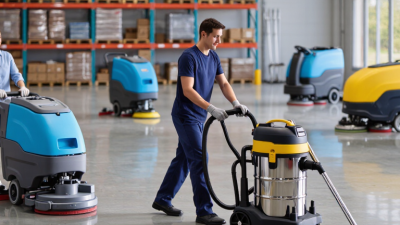
This guide examines leading suppliers through practical buying criteria. It considers commercial vacuums, floor scrubbers, microfiber systems, disinfecting products, waste containers, and protective accessories. Real workplaces reveal important differences. A hotel may need quiet machines for guest corridors. A warehouse may prioritize battery life, rugged wheels, and fast maintenance. A healthcare facility requires clear product instructions and dependable documentation.
Details matter.
We will compare supplier experience, manufacturing standards, product transparency, and customer service. Evidence such as certifications, warranty terms, training options, replacement-part access, and verified customer feedback can strengthen a supplier’s credibility. However, rankings should not rely on impressive websites alone. A polished catalog cannot repair delayed shipments or unclear chemical guidance.
No supplier is perfect. Even respected companies may have regional stock limits, slower responses, or higher prices. That is worth acknowledging. Buyers should match supplier strengths with actual cleaning conditions, staff skills, facility size, and budget limits. This approach supports informed decisions rather than impulsive purchasing.
The following overview is designed for facility managers, distributors, hospitality teams, healthcare buyers, and cleaning contractors. It highlights suppliers that demonstrate practical value, responsible product information, and consistent service. Market conditions can change during 2026, so readers should confirm current pricing, availability, and compliance details before placing orders.
A leading cleaning equipment and supplies supplier in 2026 offers more than a large catalog. It understands how equipment performs on real floors, in crowded kitchens, and during overnight maintenance. Product guidance should match surface type, soil level, water access, noise limits, and staff skills. Clear specifications matter. Buyers need to see operating time, recovery capacity, filtration details, chemical compatibility, and maintenance requirements.
Reliable suppliers support their claims with test data, safety documents, training materials, and responsive technical service. They explain whether a machine suits daily use or occasional deep cleaning. They also keep essential parts available, including filters, squeegees, batteries, hoses, and replacement pads. That matters. A low purchase price becomes expensive when one missing part stops a cleaning team for three days. Transparent delivery estimates and traceable quality checks also build trust.
Sustainability now requires evidence, not attractive language. Suppliers should provide refill options, durable components, efficient water use, and repair guidance. Packaging choices deserve attention too. In facility audits, small details often reveal quality: a readable control panel, a secure chemical cap, or wheels that roll smoothly over uneven tile. No supplier gets every decision right. Some product descriptions still overstate performance under ideal conditions. Buyers should ask for demonstrations, practical references, and honest limitations before signing an order. Proof beats polish.
2026 Top Cleaning Equipment and Supplies Suppliers
Main Categories of Cleaning Equipment and Supplies
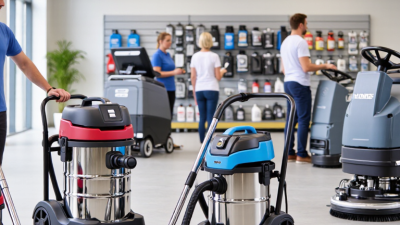
Reliable suppliers in 2026 should cover several practical cleaning categories. Floor-care equipment includes scrubber dryers, sweepers, buffers, and wet-dry vacuums. These machines suit warehouses, hospitals, offices, and retail spaces. Vacuum systems should offer strong filtration, manageable noise, and simple maintenance access. A powerful motor alone is not enough.
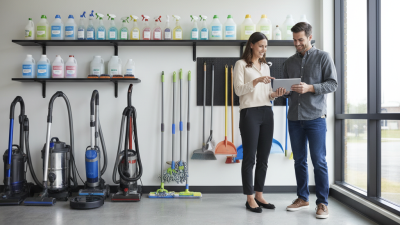
Pressure washers support exterior cleaning, loading areas, and equipment maintenance. Choose models according to water pressure, flow rate, surface type, and operator training. Janitorial supplies remain essential, including microfiber cloths, mops, buckets, brushes, squeegees, and waste containers. Chemical products should have clear labels, safety information, and suitable dilution guidance. Dispensers can reduce waste, although poorly adjusted dispensers create the opposite result.
Tips: Match equipment to the surface, workload, and cleaning frequency. Ask suppliers about spare parts, service response, delivery times, and product documentation. Test handles, wheels, controls, and storage space before purchasing. Keep a small trial record. It may reveal problems that a polished demonstration hides. I have seen teams choose oversized machines, then leave them unused because daily transport was difficult. A cheaper tool can cost more when replacement parts are unavailable. Suppliers with trained advisers, transparent specifications, and consistent after-sales support are usually safer choices. Confidence should come from evidence, not impressive claims.
Category overview and purchasing reference for commercial, institutional, industrial, healthcare, hospitality, and facility-cleaning applications
| Category | Typical Equipment or Supply | Primary Cleaning Function | Common Technical Specifications | Typical Application Areas | Key Purchasing Considerations |
|---|---|---|---|---|---|
| Manual Cleaning Tools | Brooms, dustpans, brushes, squeegees, microfiber cloths, mop handles, and wet mops | Routine sweeping, dust removal, spot cleaning, surface wiping, and liquid collection | Microfiber cloths commonly use synthetic fibers such as polyester and polyamide; floor squeegees are commonly available in working widths of approximately 35–75 cm | Offices, schools, hotels, retail stores, public buildings, and residential facilities | Handle ergonomics, material durability, color-coding options, replacement-head availability, and compatibility with cleaning procedures |
| Vacuum Cleaners | Dry vacuum cleaners, wet-and-dry vacuums, backpack vacuums, and HEPA-filtered units | Removal of dry soil, dust, debris, and in some models, liquid spills | Commercial models commonly specify motor power, airflow, sealed suction, container capacity, filtration level, cable length, and operating noise; HEPA filtration is commonly used for fine-particle control | Carpets, hard floors, workshops, hospitality areas, healthcare support spaces, and vehicle interiors | Filtration performance, noise level, tank or bag capacity, hose and tool design, maintenance cost, and electrical safety requirements |
| Carpet Extractors | Portable spot extractors, low-moisture carpet machines, and hot-water extraction units | Injection, agitation, and recovery of cleaning solution from carpets and upholstery | Typical specifications include solution-tank capacity, recovery-tank capacity, vacuum lift, spray pressure, water temperature capability, and cleaning-path width | Hotels, offices, schools, healthcare facilities, airports, and commercial carpet-maintenance services | Moisture recovery, drying time, upholstery-tool compatibility, tank separation, hose length, and access to replacement parts |
| Floor Scrubbers | Walk-behind scrubbers, compact scrubbers, and ride-on scrubbers | Mechanical scrubbing, solution application, and recovery of wastewater from hard floors | Common specifications include cleaning width, solution-tank volume, recovery-tank volume, brush or pad speed, battery runtime, productivity rating, and turning radius | Warehouses, supermarkets, airports, factories, hospitals, shopping centers, and parking facilities | Floor type, aisle width, battery charging requirements, water recovery, brush availability, operator training, and service support |
| Floor Sweepers | Manual push sweepers, battery-powered sweepers, ride-on sweepers, and industrial sweepers | Collection of loose dust, sand, leaves, packaging debris, and larger dry particles | Typical specifications include sweeping width, hopper capacity, dust-control method, filter type, battery or fuel system, and rated area coverage | Warehouses, factory floors, logistics centers, parking areas, sidewalks, and outdoor public spaces | Dust suppression, surface conditions, hopper emptying method, maneuverability, outdoor durability, and maintenance access |
| Burnishers and Floor Polishers | Low-speed floor machines, high-speed burnishers, and rotary floor polishers | Floor polishing, spray buffing, finish maintenance, stripping, and surface preparation | Specifications commonly include pad diameter, operating speed in revolutions per minute, motor rating, dust-control options, and machine weight | Retail stores, hotels, schools, offices, hospitals, and commercial facilities with resilient flooring | Floor-finish compatibility, speed control, vibration, dust management, pad replacement cost, and operator safety |
| Pressure Washers | Cold-water pressure washers, hot-water pressure washers, and compact electric units | Removal of heavy soil, grease, mud, algae, and deposits from hard surfaces | Key specifications include working pressure, water flow rate, inlet-water requirements, hose length, nozzle type, power source, and hot-water temperature capability where applicable | Industrial sites, vehicle washing, loading docks, food-service exteriors, construction areas, and building maintenance | Surface compatibility, water consumption, drainage, splash control, electrical protection, chemical compatibility, and local water-discharge rules |
| Steam Cleaners | Portable steam cleaners, canister steam cleaners, and vapor steam systems | Heat-based loosening and removal of soil from hard surfaces, joints, and detailed areas | Typical specifications include steam pressure, boiler capacity, heat-up time, continuous-fill design, hose length, operating temperature, and accessory set | Food-service areas, healthcare support areas, washrooms, kitchens, hospitality facilities, and equipment-detailing operations | Surface-material limits, operator burn protection, water quality, scale control, accessory durability, and ventilation requirements |
| Cleaning Chemicals | Neutral cleaners, alkaline degreasers, acidic descalers, disinfectants, glass cleaners, and floor-care chemicals | Soil removal, grease breakdown, mineral-scale removal, microbial reduction, and surface protection | Important label information includes active ingredients, dilution ratio, pH range, contact time, hazard classification, storage temperature, and surface compatibility | Commercial buildings, healthcare, hospitality, food service, manufacturing, transportation, and public facilities | Safety Data Sheet availability, regulatory approval where required, dilution control, worker exposure, wastewater considerations, and compatibility with equipment |
| Disinfection and Hygiene Supplies | Surface disinfectants, hand soaps, hand sanitizers, dispensers, wipes, and hygiene stations | Hygiene maintenance and reduction of specified microorganisms on approved surfaces or hands | Product information commonly includes active substance, required wet contact time, application method, volume per use, refill capacity, and applicable efficacy claims | Healthcare, schools, offices, hospitality, transportation hubs, food-service premises, and public washrooms | Approved use claims, contact time, skin compatibility, dispenser reliability, refill security, accessibility, and safe chemical storage |
| Janitorial Carts and Waste Containers | Cleaning carts, bucket-and-wringer systems, recycling bins, refuse containers, and liners | Transportation of tools, chemicals, waste, and replacement consumables during cleaning operations | Common specifications include load capacity, bucket volume, wheel diameter, cart dimensions, lid design, material type, and color-coded waste compartments | Hotels, hospitals, offices, schools, shopping centers, airports, and multi-floor facilities | Mobility, storage capacity, cleaning and disinfection of cart surfaces, maneuverability in elevators, noise, and waste-segregation requirements |
| Washroom and Paper Products | Toilet tissue, hand towels, folded towels, dispensers, toilet brushes, and sanitary-waste containers | Personal hygiene support, hand drying, washroom servicing, and consumable replenishment | Purchasing data may include sheet size, ply, roll length, dispenser compatibility, absorption, core diameter, pack quantity, and recycled-fiber content where declared | Corporate offices, retail sites, hospitality, education, healthcare, transport facilities, and public buildings | Dispenser standardization, refill availability, user capacity, storage space, paper quality, waste volume, and sustainability documentation |
| Personal Protective Equipment | Chemical-resistant gloves, protective eyewear, aprons, safety footwear, masks, and hearing protection | Reduction of worker exposure to chemicals, splashes, contaminants, noise, and physical hazards | Selection depends on hazard assessment, glove material and thickness, chemical permeation data, eye-protection design, footwear protection, and relevant conformity markings | Industrial cleaning, healthcare, laboratories, food processing, construction, sanitation, and maintenance operations | Risk assessment, correct sizing, compatibility with chemicals, replacement schedule, user training, comfort, and applicable occupational-safety regulations |
| Specialty and Industrial Cleaning Equipment | Industrial parts washers, escalator cleaners, facade-cleaning systems, drain-cleaning equipment, and high-capacity vacuum systems | Cleaning of specialized equipment, difficult-access areas, production environments, and high-traffic infrastructure | Specifications vary by application and may include throughput, working pressure, tank capacity, filtration, recovery rate, lifting capacity, power source, and automation features | Manufacturing plants, transit facilities, airports, large commercial properties, utilities, and infrastructure maintenance | Application-specific engineering, worker safety, integration with site utilities, waste handling, preventive maintenance, training, and lifecycle cost |
Specifications are representative industry purchasing dimensions rather than quotations for a specific supplier. Final selection should be verified against the product technical sheet, safety documentation, applicable regulations, and site conditions.
Comparing Cleaning Equipment and Supplies Suppliers in 2026
Choosing a supplier requires more than checking product prices. In real facilities, equipment must survive wet floors, narrow corridors, repeated use, and rushed schedules. I compare suppliers through product testing, service records, and clear documentation.
Check cleaning performance, operating noise, energy use, spare-part access, and warranty terms. A reliable supplier provides technical specifications, safety data, maintenance instructions, and traceable quality controls. Ask how products perform in hospitals, hotels, warehouses, or other demanding environments. Their answer should include measurable details, not vague promises. Delivery capacity matters too. A low-cost supplier becomes expensive when replacement parts arrive late. Trial orders can reveal packaging weaknesses, inconsistent supplies, or confusing instructions. Samples can mislead, though. A small batch may look better than regular production.
Tips: Request three comparable quotations. Test supplies during normal shifts. Record water use, labor time, noise, and failure rates. Review customer references from similar facilities. Check whether support staff understand your equipment, not just their catalog. Ask about return procedures before signing any agreement. Keep written records of every promise. Memory is unreliable.
Sustainability should be practical, not decorative. Look for concentrated formulas, refillable packaging, durable components, and repairable machines. Verify environmental claims through credible documents. Some suppliers still use impressive language without useful evidence. That should make buyers pause. A strong comparison balances cost, performance, safety, availability, and after-sales support. Yet no scoring sheet captures everything. Staff feedback often exposes problems that specifications miss.
In 2026, cleaning suppliers should be assessed by market needs, not catalog size. Commercial facilities often require floor machines, vacuums, dispensers, chemicals, and replacement parts. Healthcare sites need tighter documentation, controlled dilution, and validated sanitation procedures. Hospitality buyers usually value speed, compact storage, and staff training. According to Grand View Research, the global facility management market continues expanding through 2030, increasing demand for dependable cleaning support within larger service contracts.
Product-focused suppliers serve buyers who already understand their equipment requirements. They compete through performance data, compatibility guidance, energy efficiency, and reliable stock. The International Facility Management Association reports that maintenance and operational costs remain major concerns for facility leaders. Therefore, suppliers offering durable machines, sensor-based monitoring, and repairable components may create stronger long-term value than low-price distributors. A catalog can mislead.
Service-focused suppliers provide installation, operator training, preventive maintenance, audits, and emergency support. This model fits hospitals, factories, schools, and multi-site property groups with limited technical staff. The 2024 ISSA cleaning industry research emphasizes the importance of workforce training, process consistency, and measurable outcomes. Supplier evaluations should therefore include response times, technician coverage, safety documentation, and waste-reduction practices. Local stock matters. However, reported sustainability benefits need careful verification because packaging claims, water savings, and chemical concentration data are not always measured consistently. Buyers should request test records, total-cost calculations, and references from comparable facilities before signing multi-year agreements.
Choosing a cleaning supplier starts with your facility, not a catalogue.
Measure floor area, traffic, soil type, water hardness, and storage space. A clinic needs different controls than a warehouse.
The U.S. Environmental Protection Agency reports that indoor pollutant levels can be two to five times higher than outdoor levels. Therefore, ask suppliers for low-emission chemicals, dilution guidance, and current safety documentation.
Do not accept vague claims. Request performance data, training records, delivery times, and a sample order.
The 2024 Grand View Research report valued the global cleaning services market at approximately $415.93 billion in 2023
showing strong demand but also intense supplier variation. Price alone is a weak filter.
I have found that the best supplier is usually the one that answers operational questions clearly. Can they replace damaged equipment quickly? Do they explain maintenance instead of pushing upgrades? Are products compatible with your floors and dispensers?
The ISSA Cleaning Industry Management Standard emphasizes documented processes, quality checks, and employee training. Use those principles when comparing quotations.
A small pilot test can reveal blocked spray nozzles, slippery residue, or awkward handles before a large purchase. Fit matters more. I would still review the decision after thirty days, because first impressions often miss hidden labor costs.